
rialto market
rialto market
Mercato di Rialto
rialto market

My Rating:
The Positives:
A touch of Italian flair, locals, and glimpses into life in Venice. Such insights are always valuable!
The Negatives:
The market isn't always open, and it is, after all, a market. Especially with lots of fish :D
Last Modified: 23.04.2026 | Céline
The details
at a glance


Rialto Market
Photo Gallery
What is there
to see?
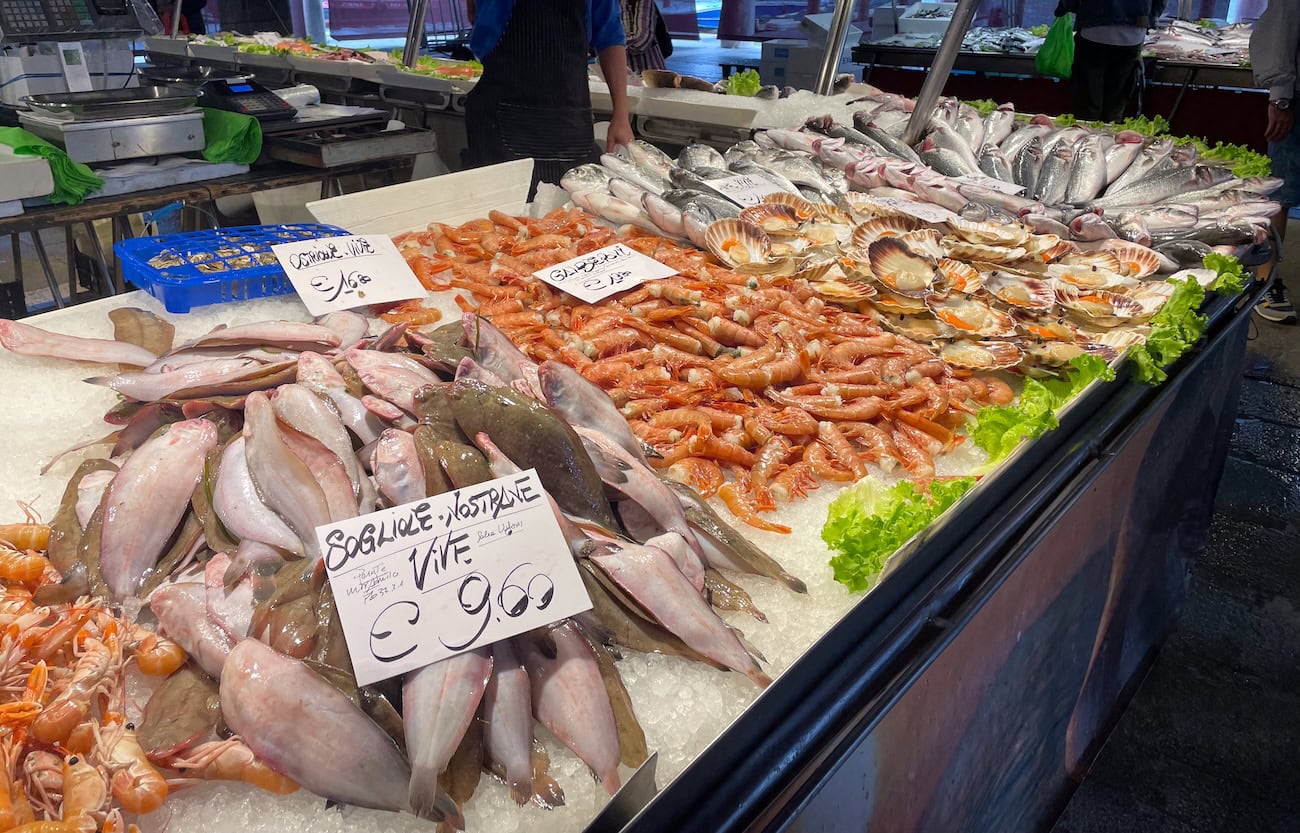
Fish, fish, and fruit!
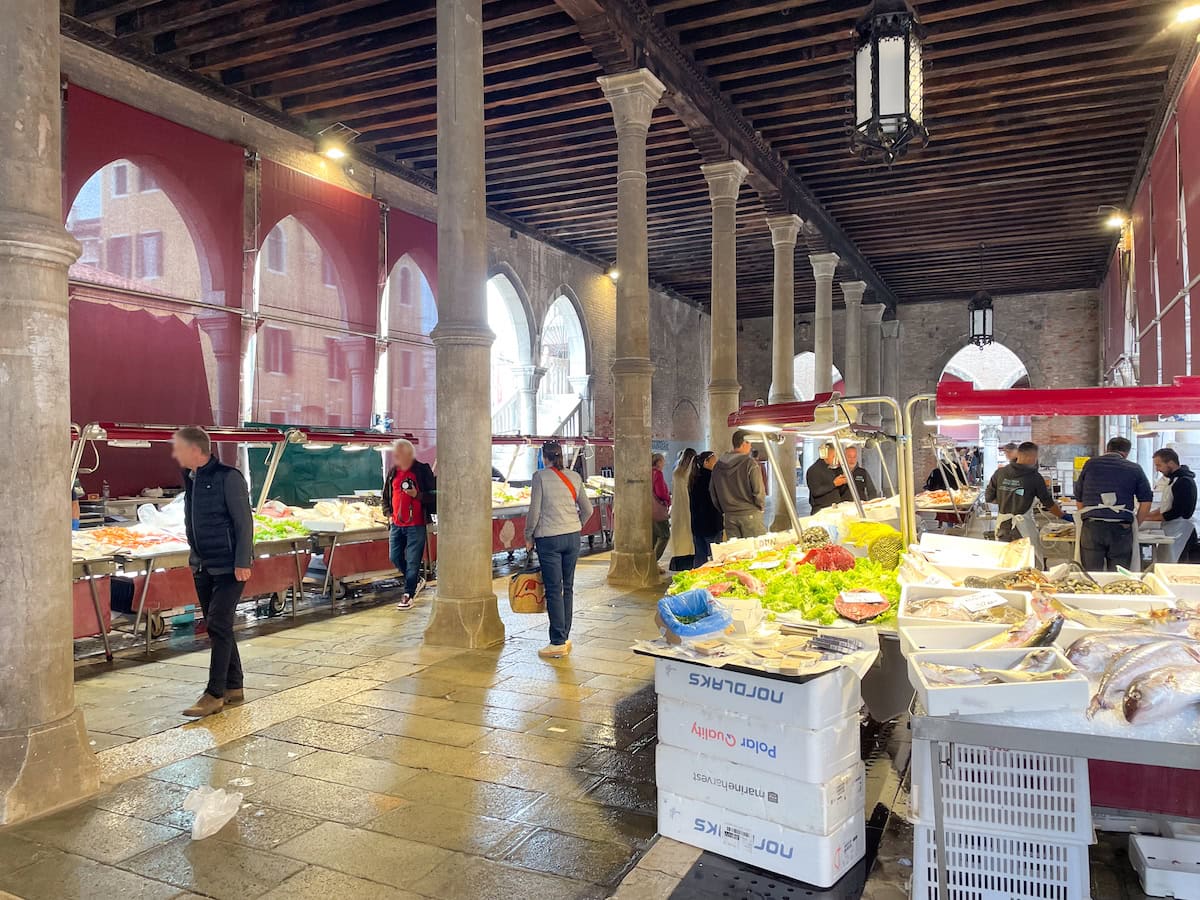
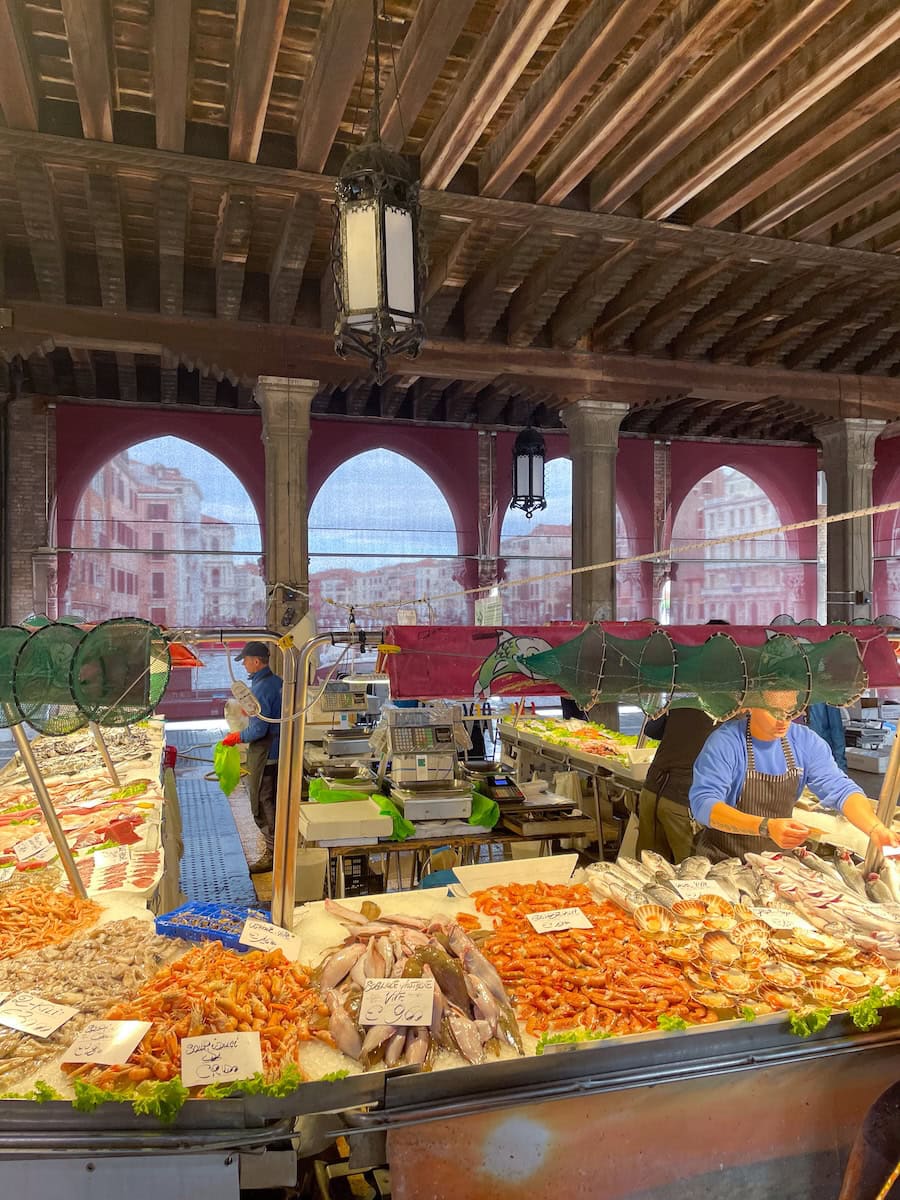
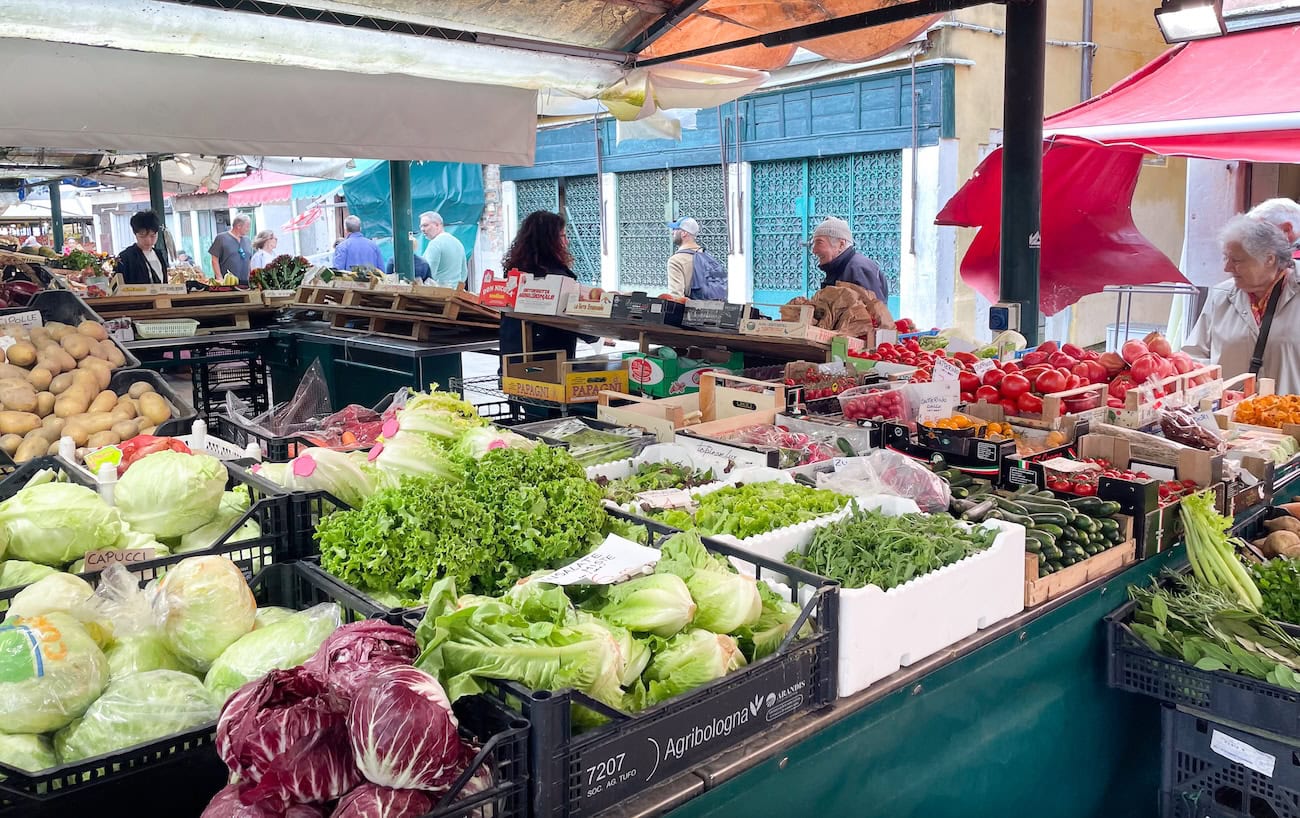
From Monday/Tuesday to Saturday mornings, you’ll find numerous stalls here selling fish, fruit, and vegetables. Locals haggle over prices and discuss current issues, while tourists mill around in the middle, taking photos—just like me 😀
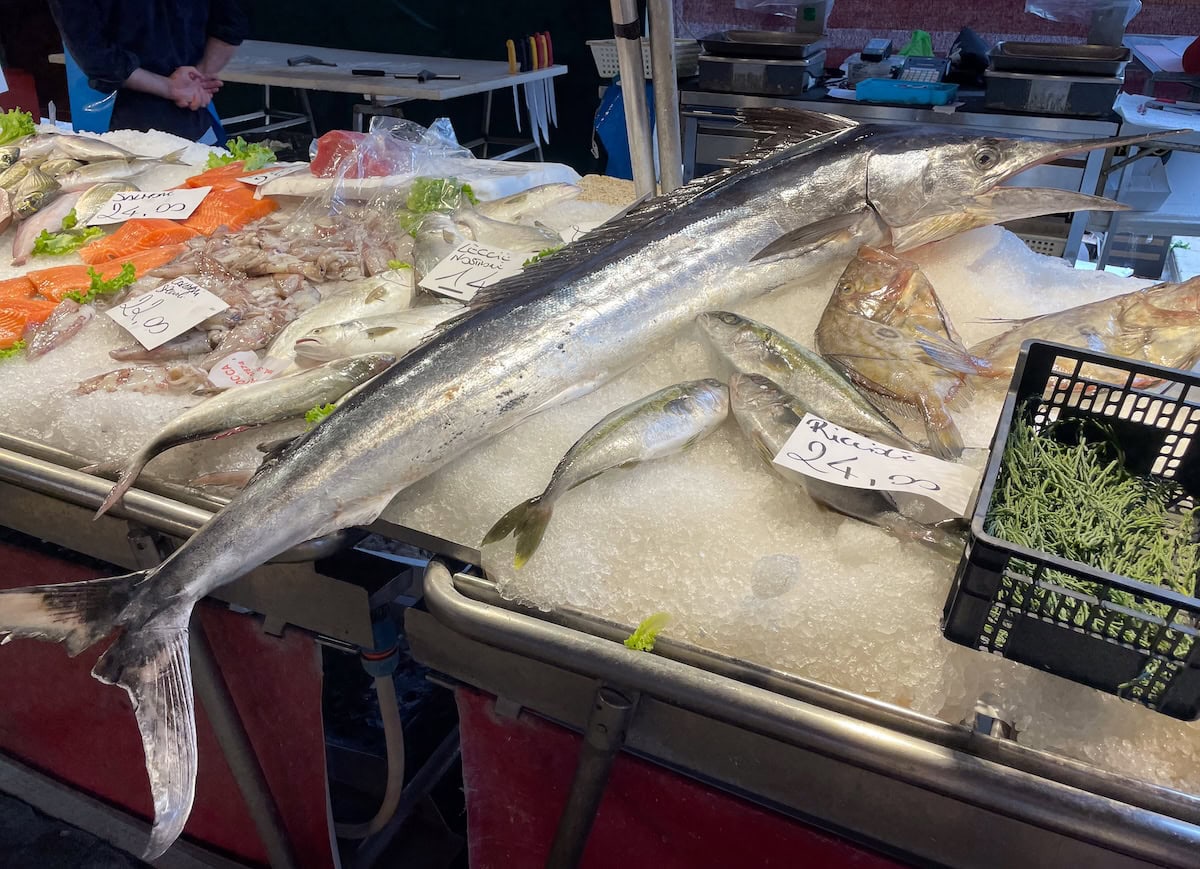
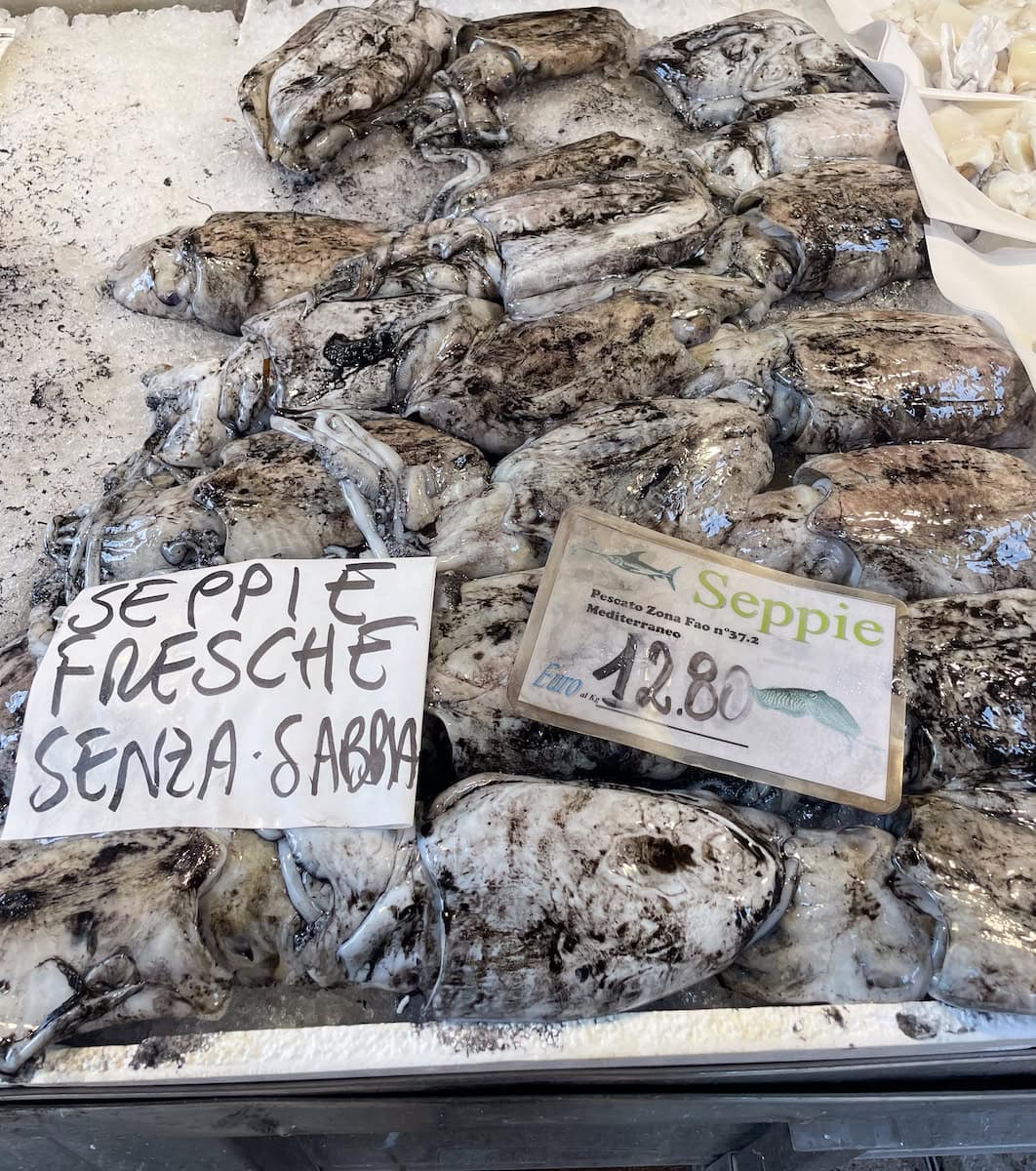
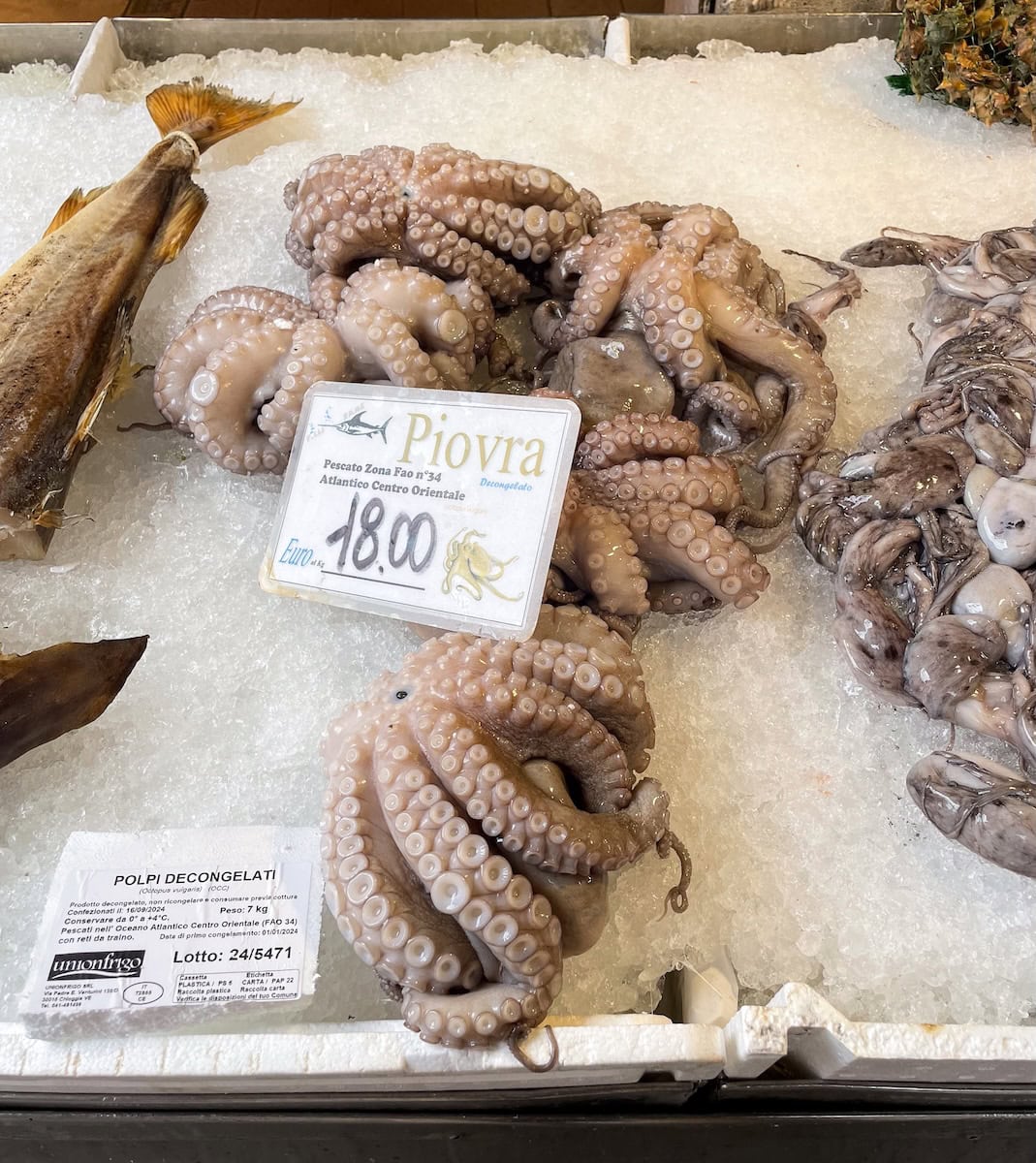
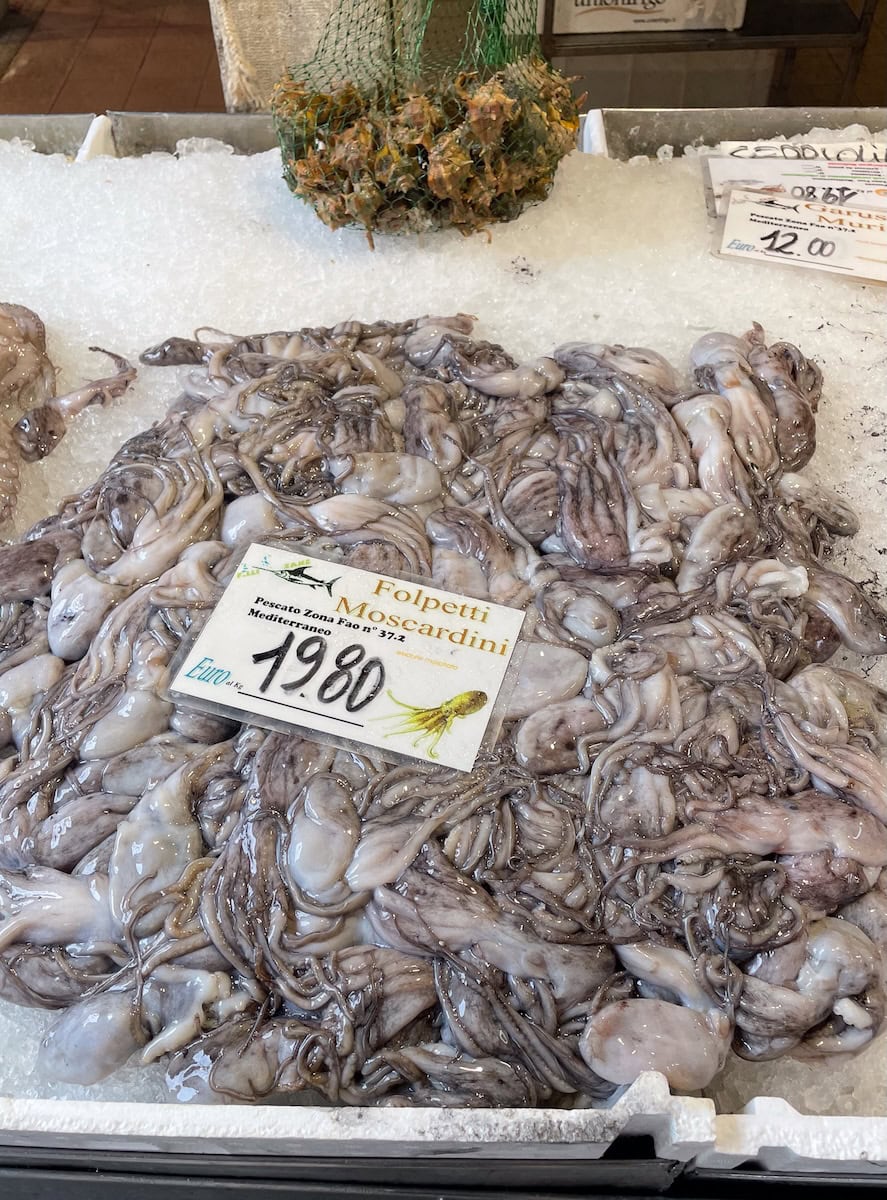
I found the fish market especially fascinating: you can see both large and small fish species that don’t usually appear on the fish counters in Germany! (That is, except in German coastal towns, of course). But Venice is right at the source of the fish! You’ll also find mussels, squid, and their relatives (pulpo, cuttlefish, and folpetti moscardini)—which is really interesting.
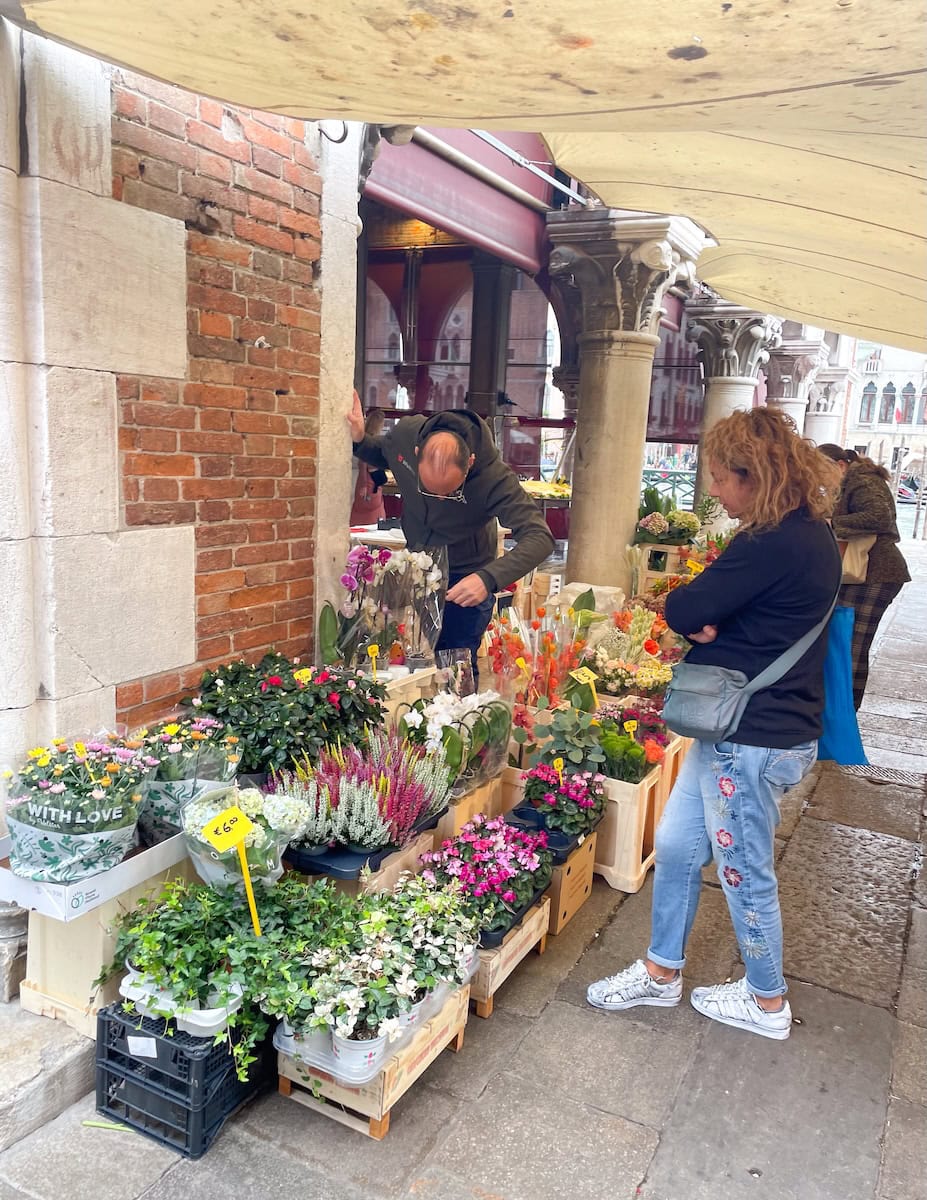
In addition, you can buy fruit and vegetables, spices, and flowers.
Compared to Rome’s Campo de’ Fiori, the Rialto Market is less geared towards tourists. And that’s a good thing!
Tip: For those who want to learn even more, this food tour passes through here!
Rialto Market
A bit of History
The Rialto Market (Mercato di Rialto) isn’t just any market—it’s been at the heart of Venetian life since the 11th century. Perched on the island of Rivoaltus (“high bank”), it gave the area its name: Rialto.
From the start, it was buzzing with trade, from everyday food to luxury goods arriving from all corners of the world. By the 13th century, it had also become Venice’s financial hub, hosting the city’s first banks, exchange offices, accountants, and warehouses. You’ll still find traces of this international flavour today: the Fondaco dei Tedeschi, headquarters of the German merchants, sits nearby, and just a short stroll away is the Fondaco dei Turchi for Ottoman traders—proof that Venice was trading on a global scale even back then.
The 16th century wasn’t all smooth sailing—a huge fire wiped out much of the Rialto district. But Venice bounced back, rebuilding the area and, during that time, completing the iconic Rialto Bridge in 1591.
The market even left its mark on culture. Shakespeare knew it well enough to mention it in The Merchant of Venice (“What news on the Rialto?”), and artists like Canaletto captured its vibrant stalls and busy crowds on canvas.
A stroll through the Rialto Market today is more than just shopping—it’s stepping back into centuries of Venetian life, commerce, and culture.
Text and image rights: © Céline Mülich, 2024 – 2026


