
Natural History Museum Venice
Natural History Museum Venice
Have fun learning something
Natural History Museum Venice
The Natural History Museum of Venice might not be at the top of your list on your first visit to the city. However, if you’re travelling with children, it’s definitely worth considering!
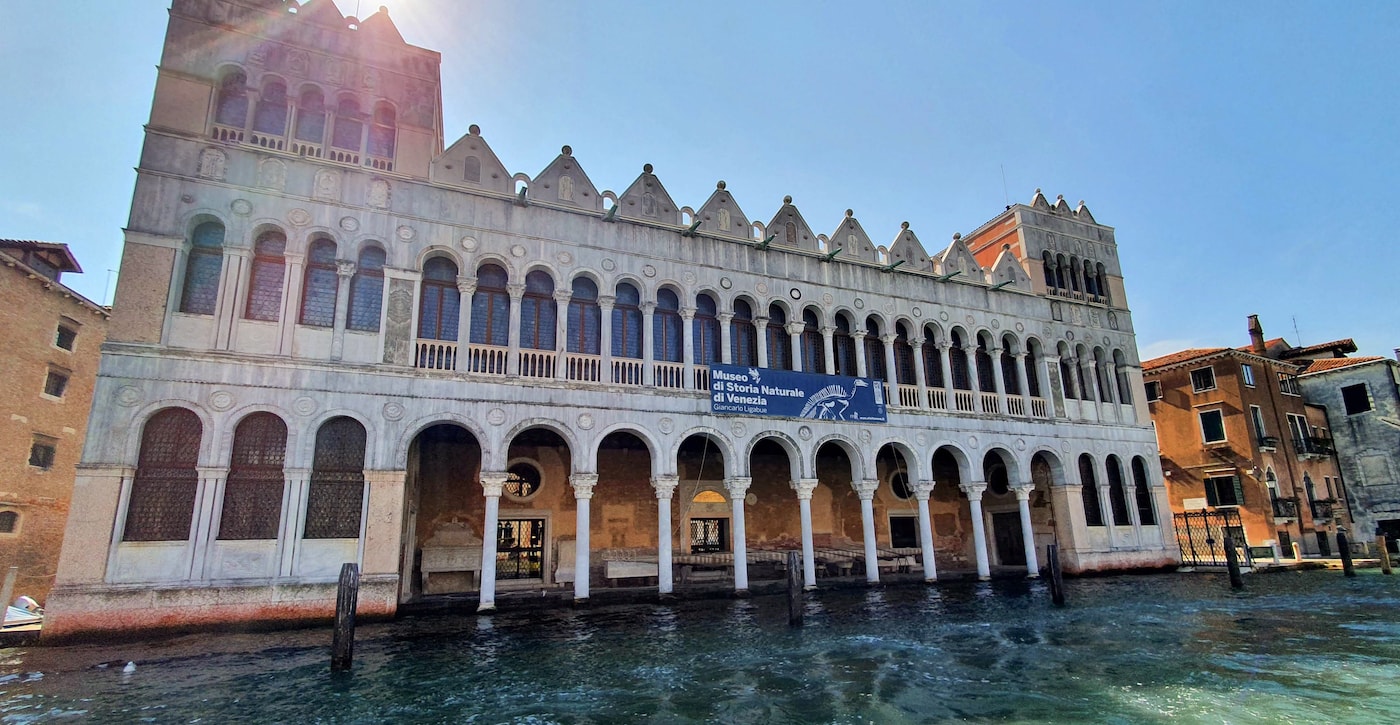
Housed in the Fontego dei Turchi, one of Venice’s oldest palaces, the museum is home to a fascinating collection of natural history specimens and curiosities, some of which have links to the collection of Teodoro Correr. His art collection is now on display at the Correr Museum.

My Rating:
The Positives:
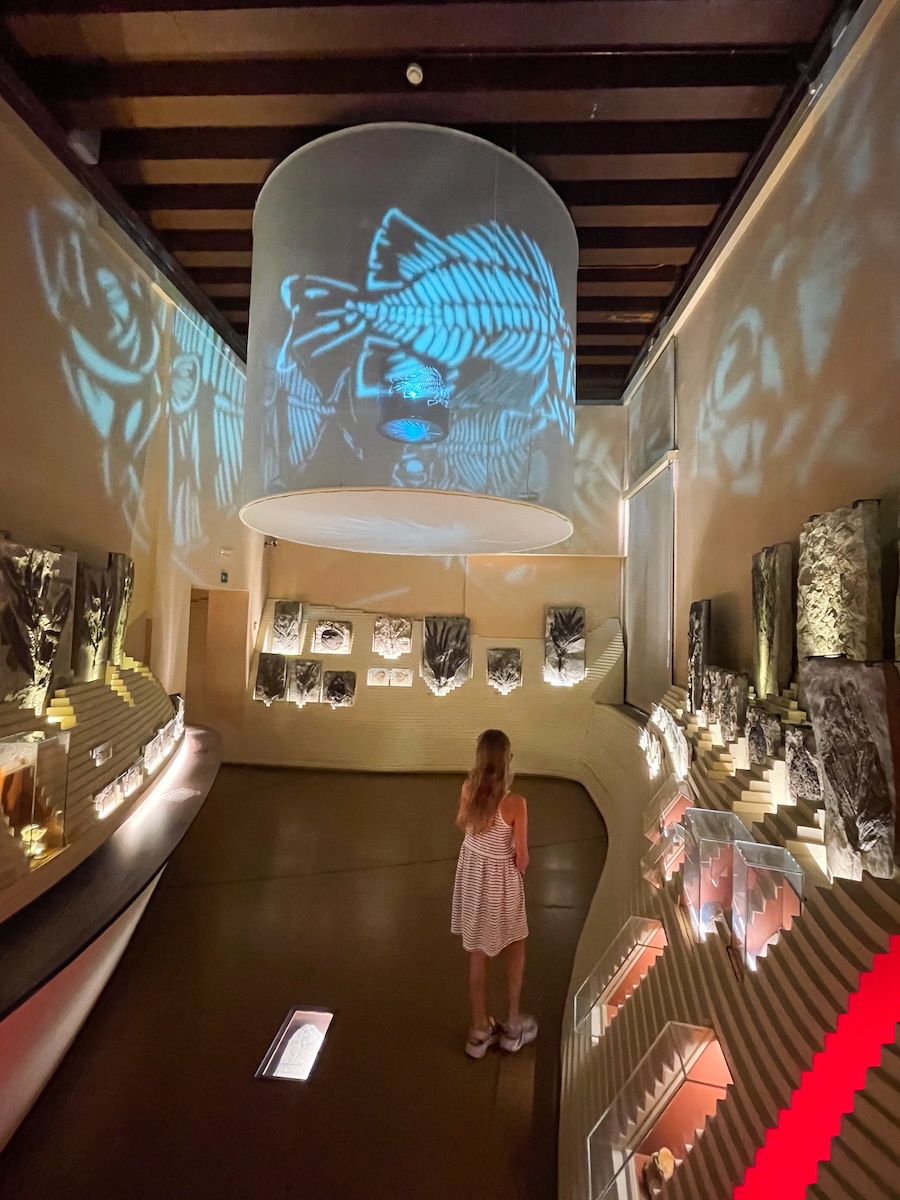
A surprisingly modern-looking presentation—especially the dinosaur and fossil section! The various areas are brilliantly put together. The children really enjoyed it!
The Negatives:
The museum is located a bit "off the beaten path." As a result, it’s not very crowded—which can actually be seen as an advantage.
Last modified: 15.10.2026 | Céline
Natural History Museum Venice
Tickets


The details
at a glance


Museums Pass
There are various museum pass options. Find out more here.
The one from Tiqets costs EUR 50.
show less
Natural History Museum Venice
Photo Gallery
What is there
to see?
The museum’s collection is displayed on the second floor, which is a rather unusual choice — but it works brilliantly!
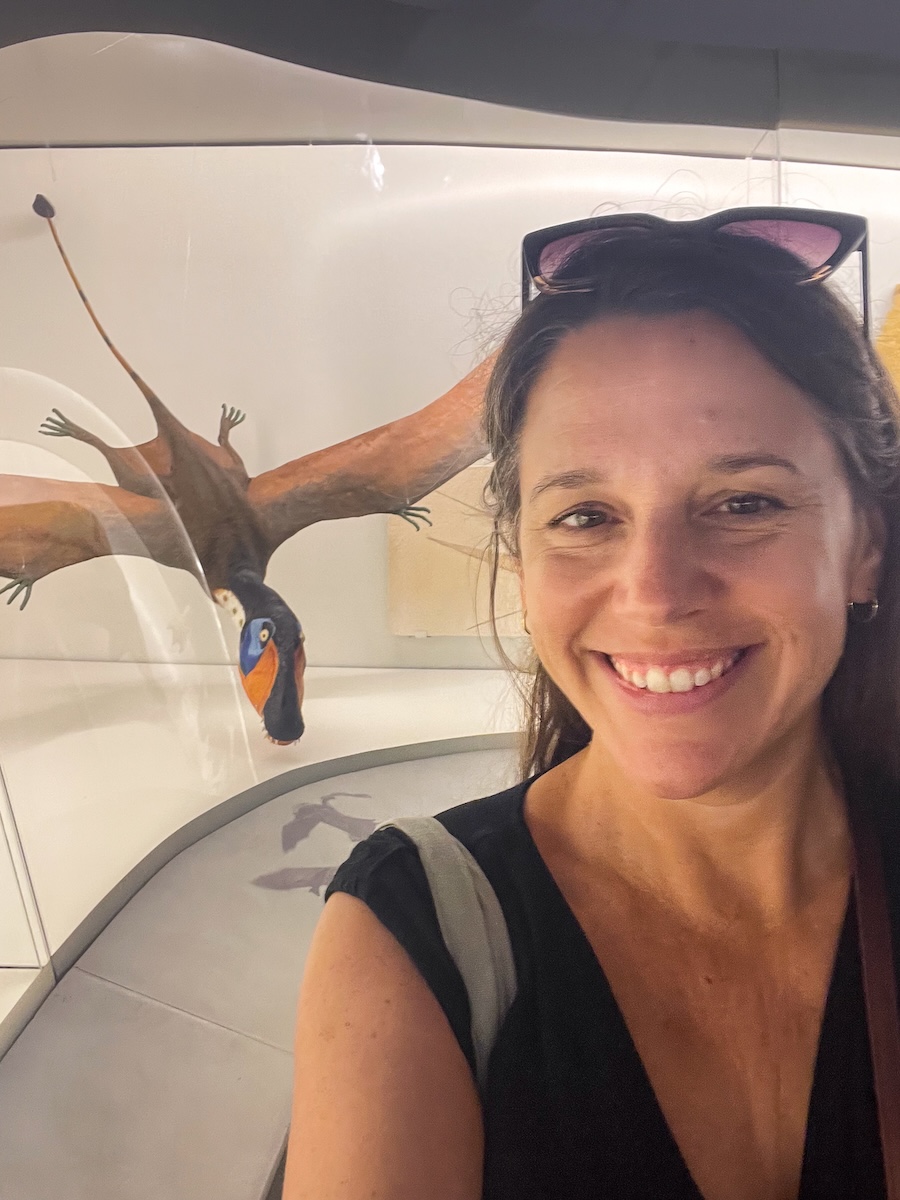
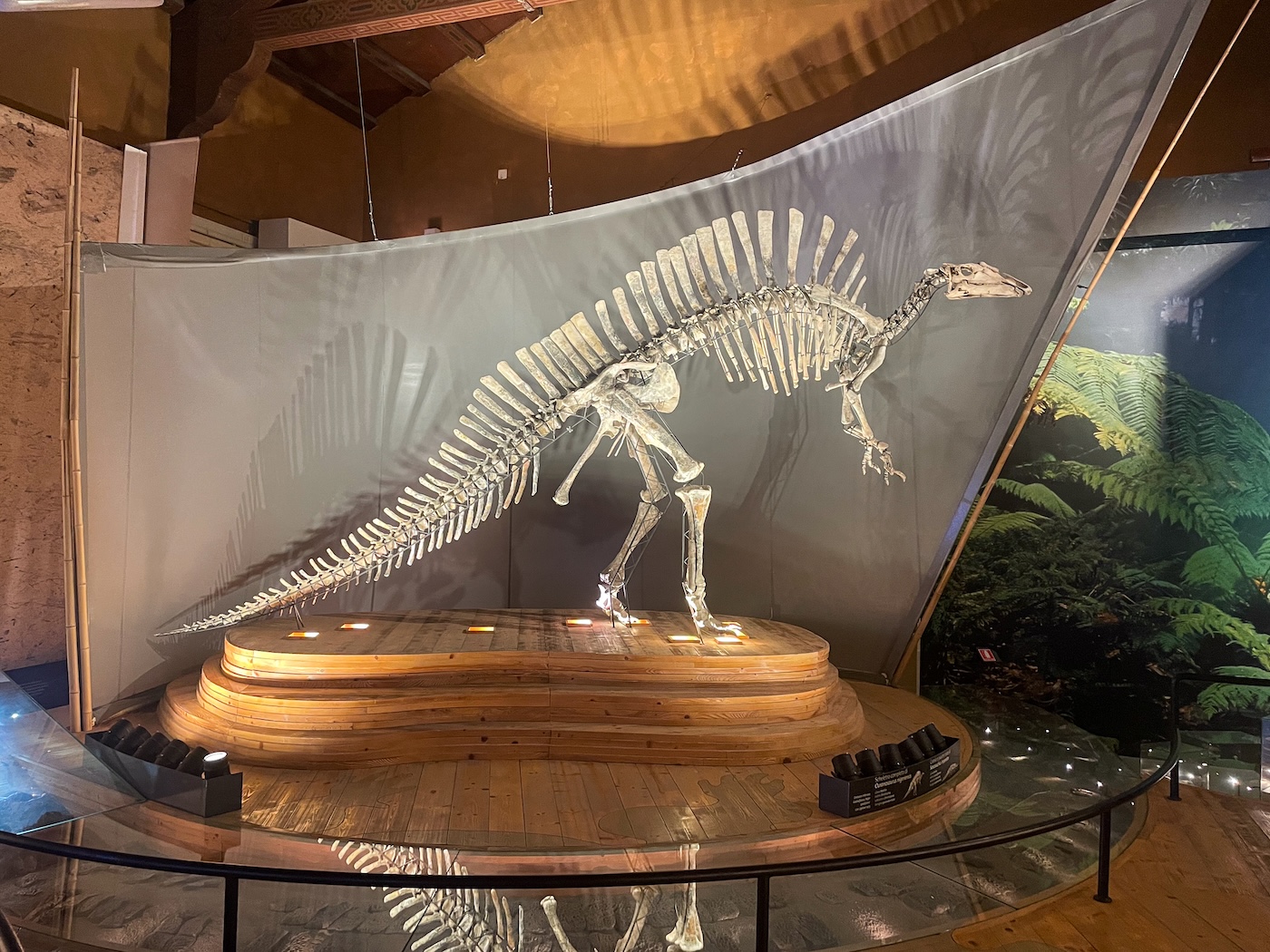
You enter the first room through a fairly inconspicuous doorway, only to find yourself transported back to the 1973 expedition to the Ténéré Desert, where two dinosaur skeletons greet you! During the expedition, archaeologist Giancarlo Ligabue discovered an Ouranosaurus nigeriensis, which is now displayed here at full size. The information panels and a film explain how this and another skeleton were discovered, excavated and prepared for display.
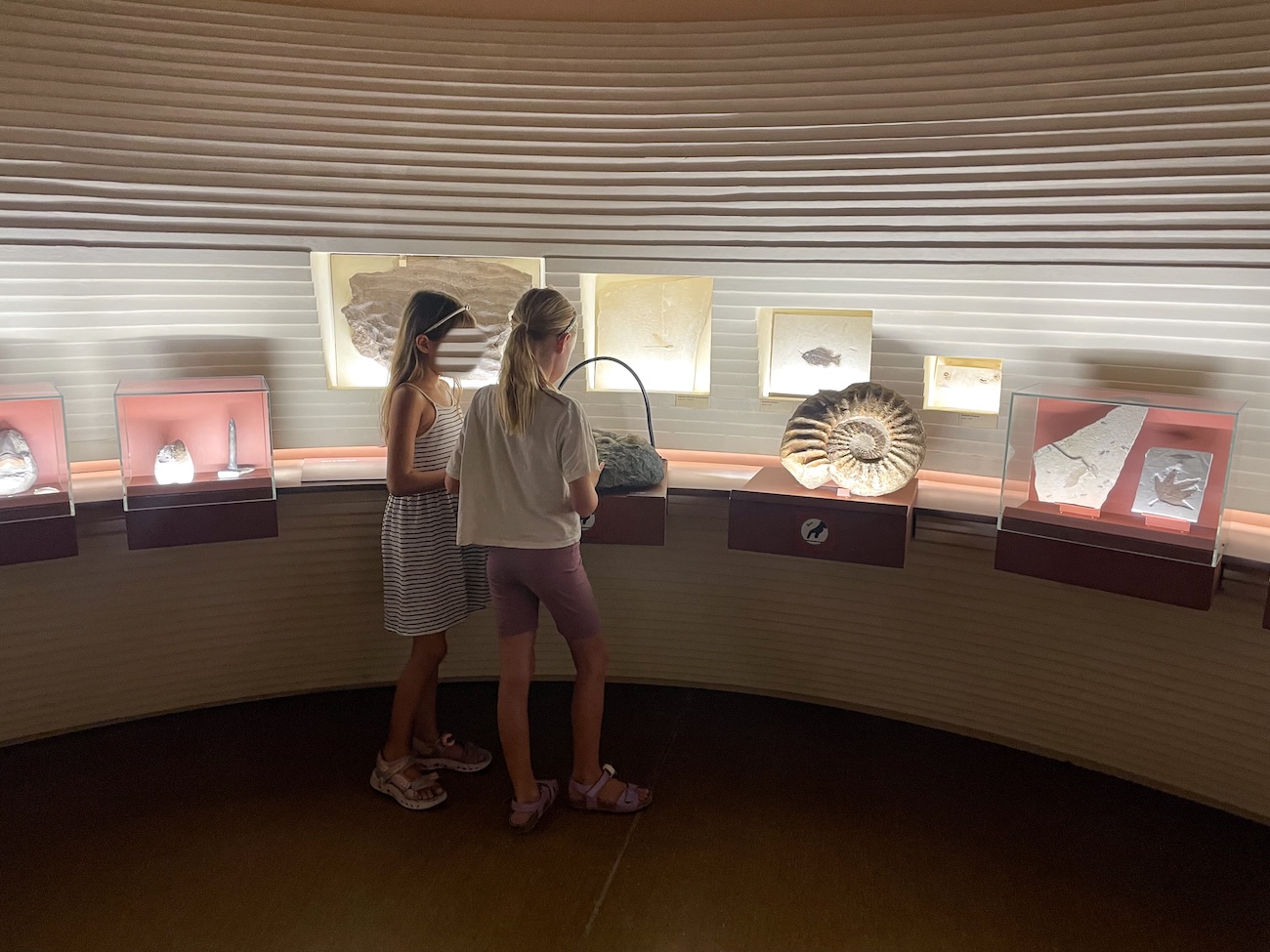
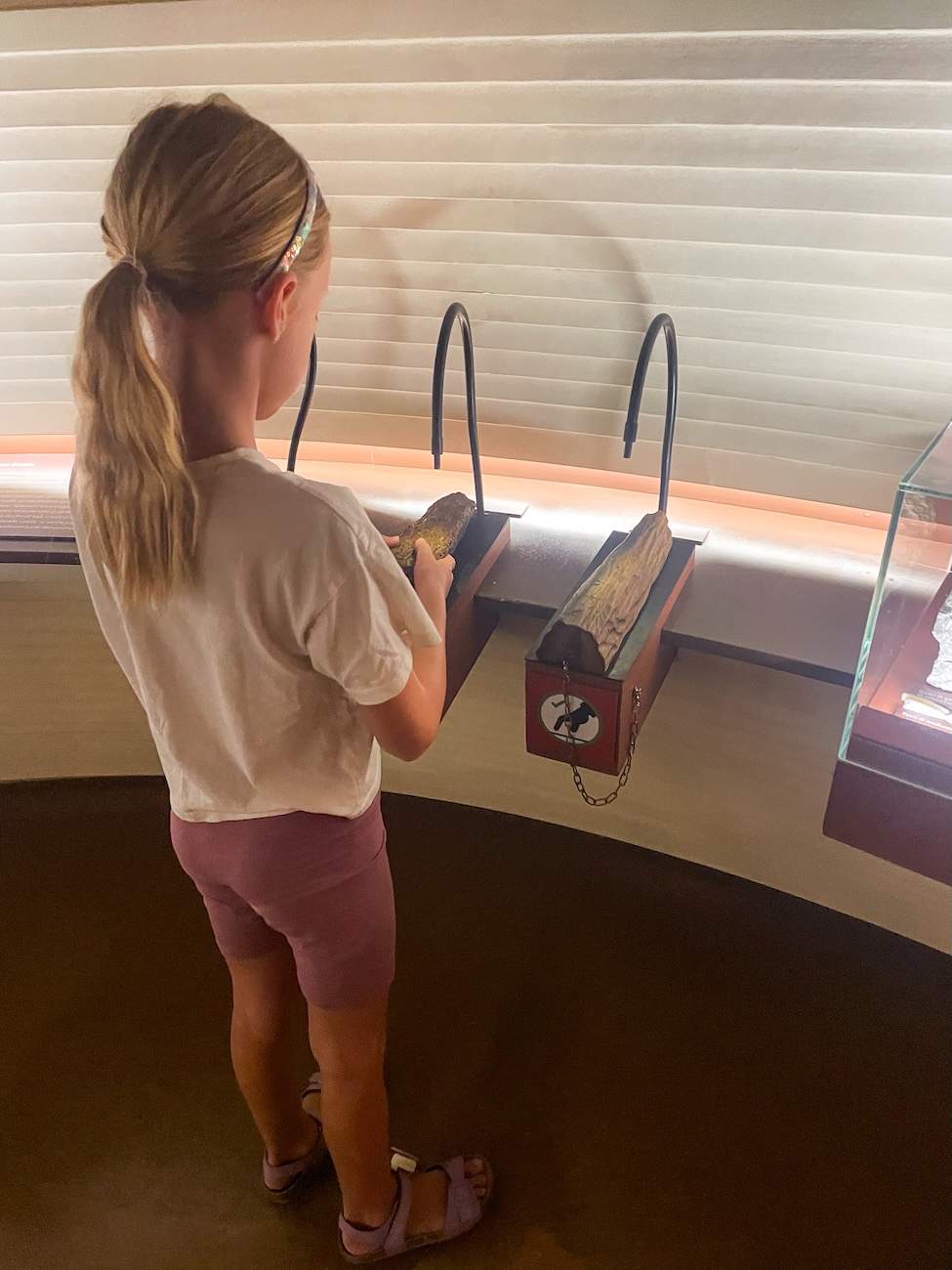
The following rooms focus mainly on fossils. And in one of them, you can even touch them! This was a real highlight for the children! (More things to do in Venice with children)
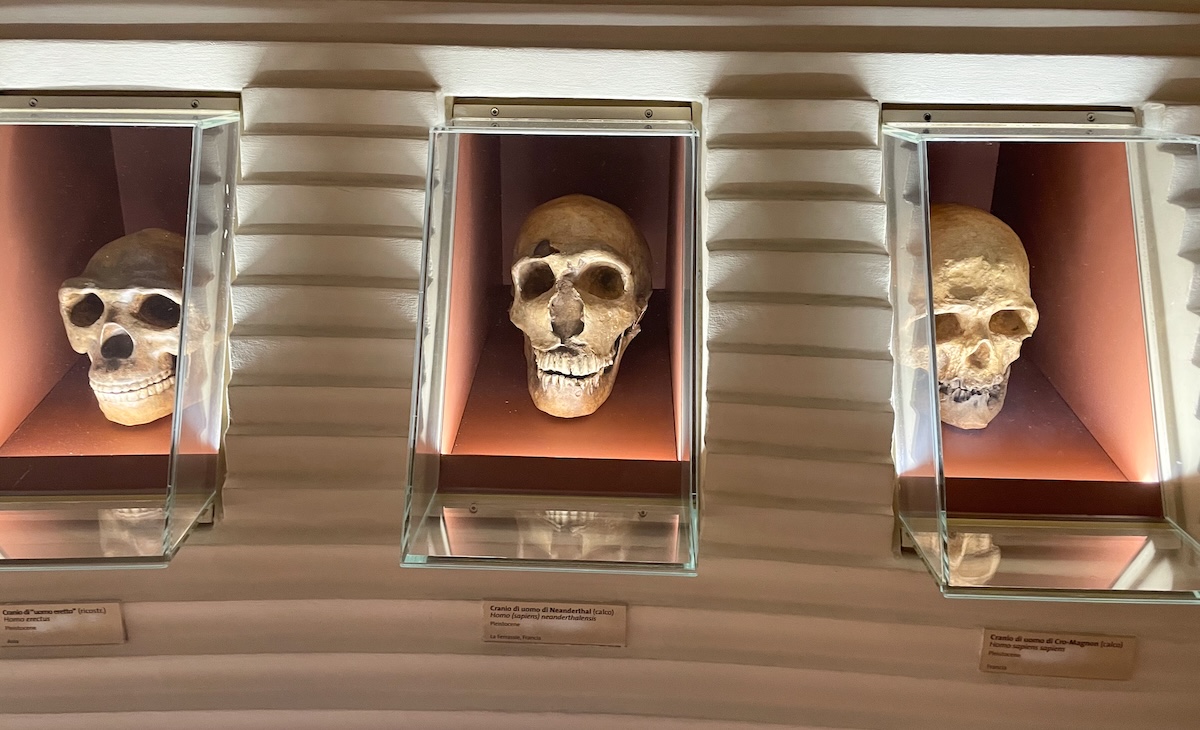
The exhibition then moves on to a small section exploring human evolution, from Homo habilis to Homo sapiens.
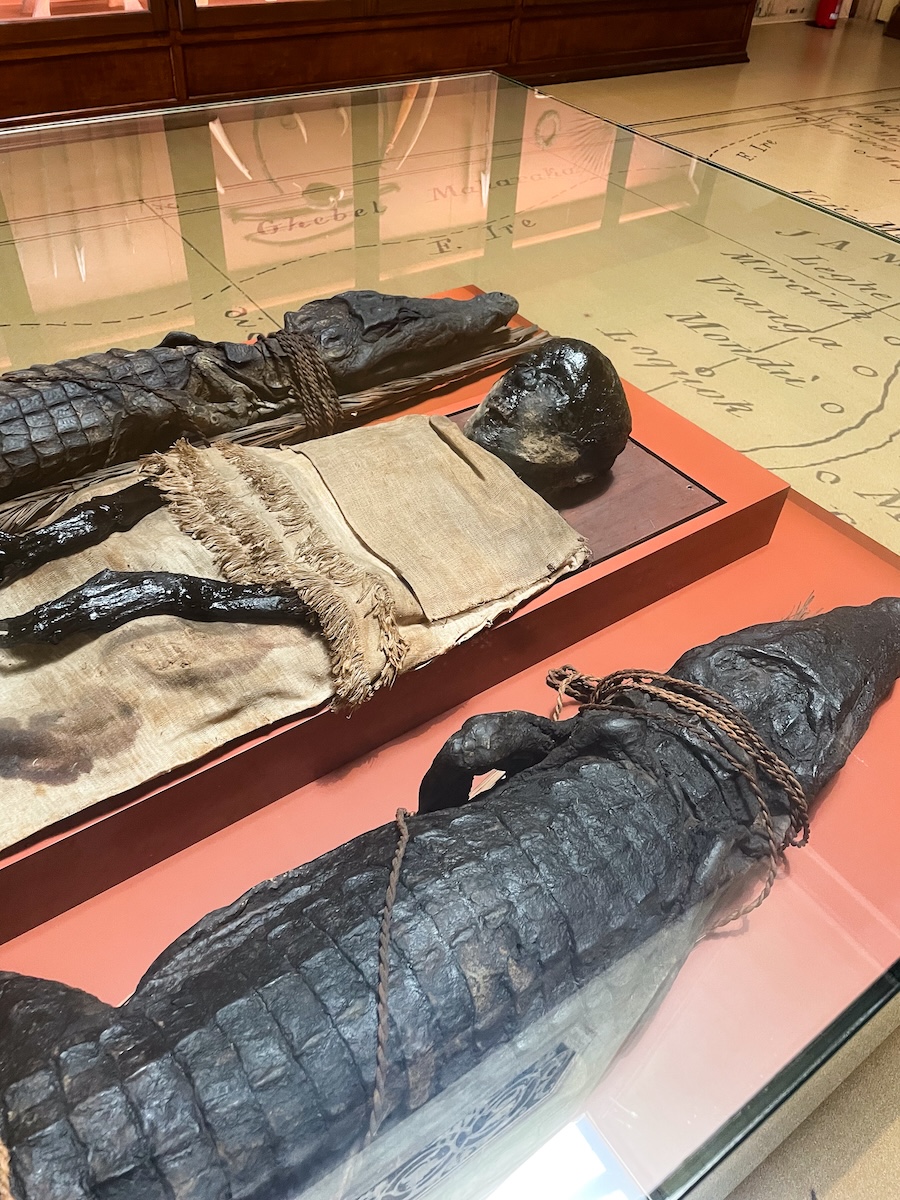
After that, things take a rather curious turn. We begin in a room filled with all sorts of objects from African cultures, including a mummy!
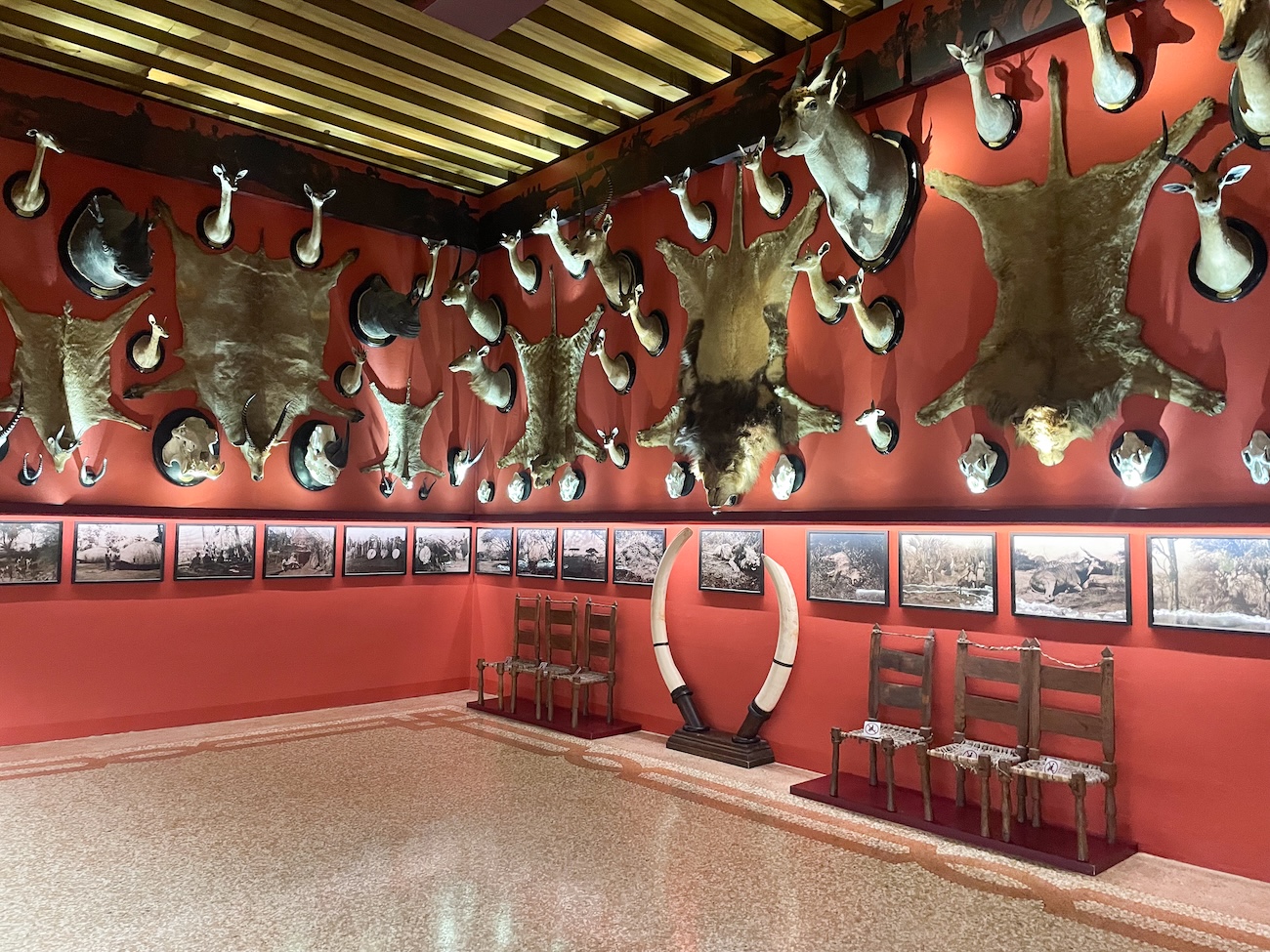
We then make our way through several rooms packed with hunting trophies, from lions and gorillas to elephant heads. This certainly won’t be to everyone’s taste. Unfortunately, collecting such trophies was common practice during the colonial era. There’s also a rather unpleasant smell in this section…
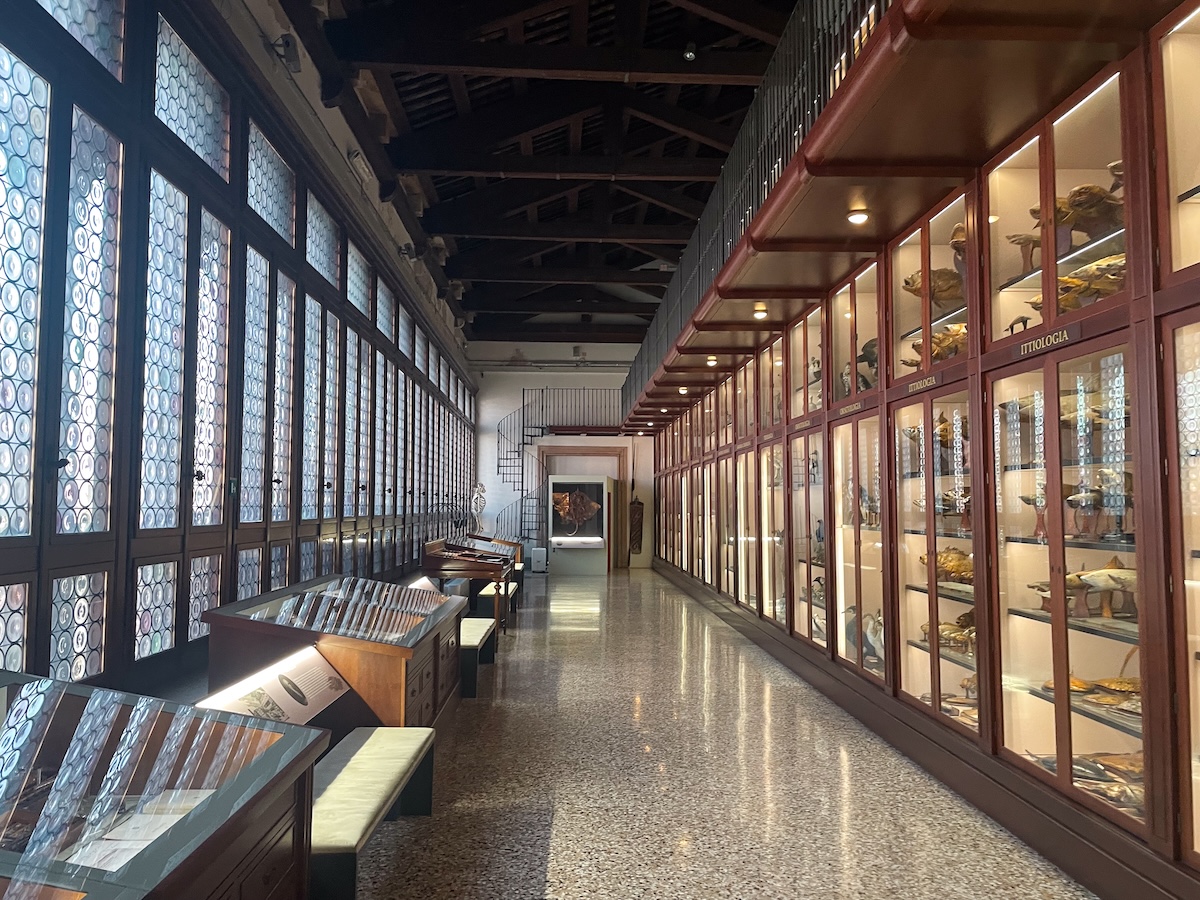
Next, we step into a small cabinet of curiosities, featuring a truly bizarre collection: two-headed goats, unusual birds and other specimens that don’t quite look real. Things then become more scientific, with pinned butterflies, dissected eels and fish, followed by a display of various minerals and rocks.
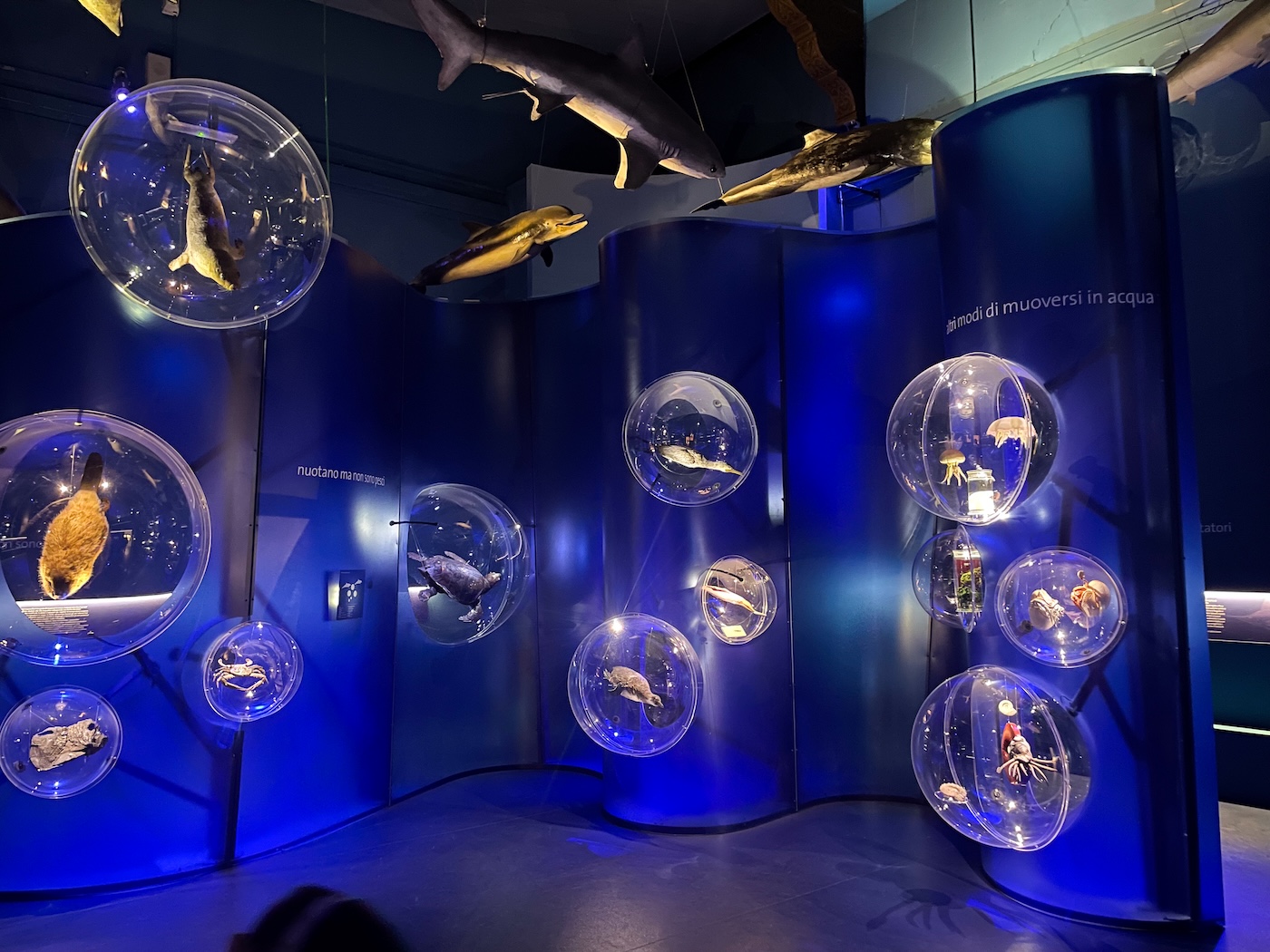
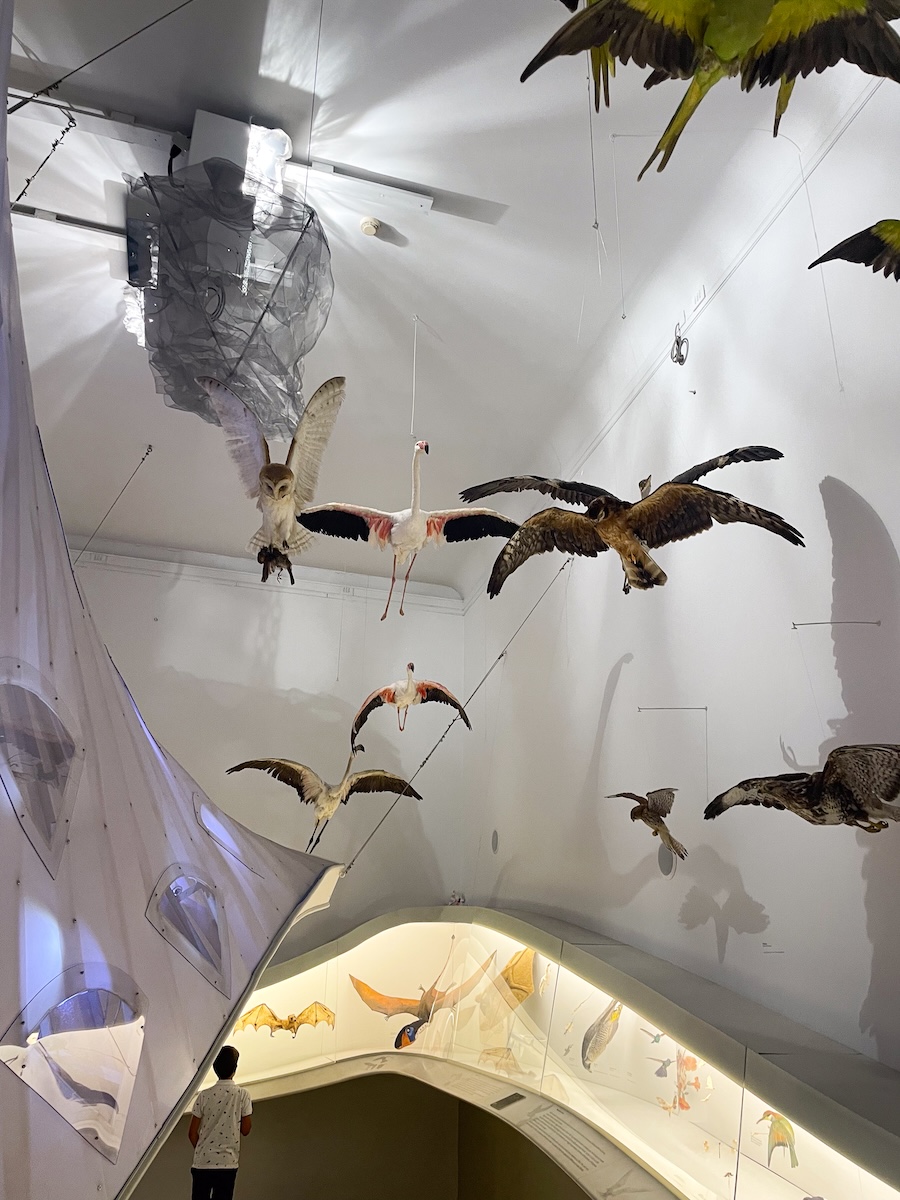
We continue into a room showcasing marine life, including shells and different types of coral. The exhibition then moves on to land animals, more fish and, finally, the fascinating world of birds.
All in all, there’s plenty to discover, and the museum never gets boring! The children found it particularly fascinating, even if some of the exhibits did make them feel a little queasy…
The collection
a bit of history
The Fontego dei Turchi dates back to 1225, when it was built by Giacomo Palmieri, who had moved to Venice from Pesaro around that time. The Palmieri family also owned the Palazzo Ca Pesaro. However, the palace was divided among heirs in 1309, and in 1381, its four owners sold it to the Republic of Venice.
The palace was subsequently used to accommodate visiting dignitaries and, later, ambassadors. Even the Byzantine emperors Manuel II (in 1400 and 1403) and John VIII Palaiologos (in 1423 and 1438) stayed here during visits to the city. Emperor Frederick III also resided in the palace in 1452 and 1469, as did Cesare Borgia in 1499 and Anne of Bohemia and Hungary in 1502.
From 1621 onwards, the palace was leased to Ottoman merchants, who used it for both storage and accommodation.
In 1860, the city of Venice finally purchased the remaining building with the intention of establishing a museum. The restoration was overseen by Federico Berchet, although his reconstruction work was considered highly controversial.
Between 1898 and 1920, the palace housed the entire collection of Teodoro Correr. Afterwards, the historical and artistic artefacts were transferred to the Correr Museum in St Mark’s Square. The natural history and ethnographic collections remained here, forming the foundation of the Natural History Museum, which has been dedicated exclusively to natural history since 1923. The collection has continued to grow over the years through donations and bequests.
Official website of the Natural History Museum (Italian/English): https://msn.visitmuve.it/
ext and image copyright: © Céline Mülich, 2026
I visited the museum with my children. Would you like to know what else we got up to in Venice? You can read all about our adventures here!
other
museums in San Polo

Ca Pesaro
find out more
Leonardo Da Vinci Museum
find out more
Mocenigo Palace-Museum
Get Tickets here