
Punta della Dogana
Punta della Dogana
The tip of one of Venice's islands
Punta della Dogana
If you search the internet, the first thing that comes up is the Pinault Collection – Punta della Dogana. But this museum has only existed since 2009.
So what was here before, and what exactly is the “Punta della Dogana”?

My Rating:
The Positives:
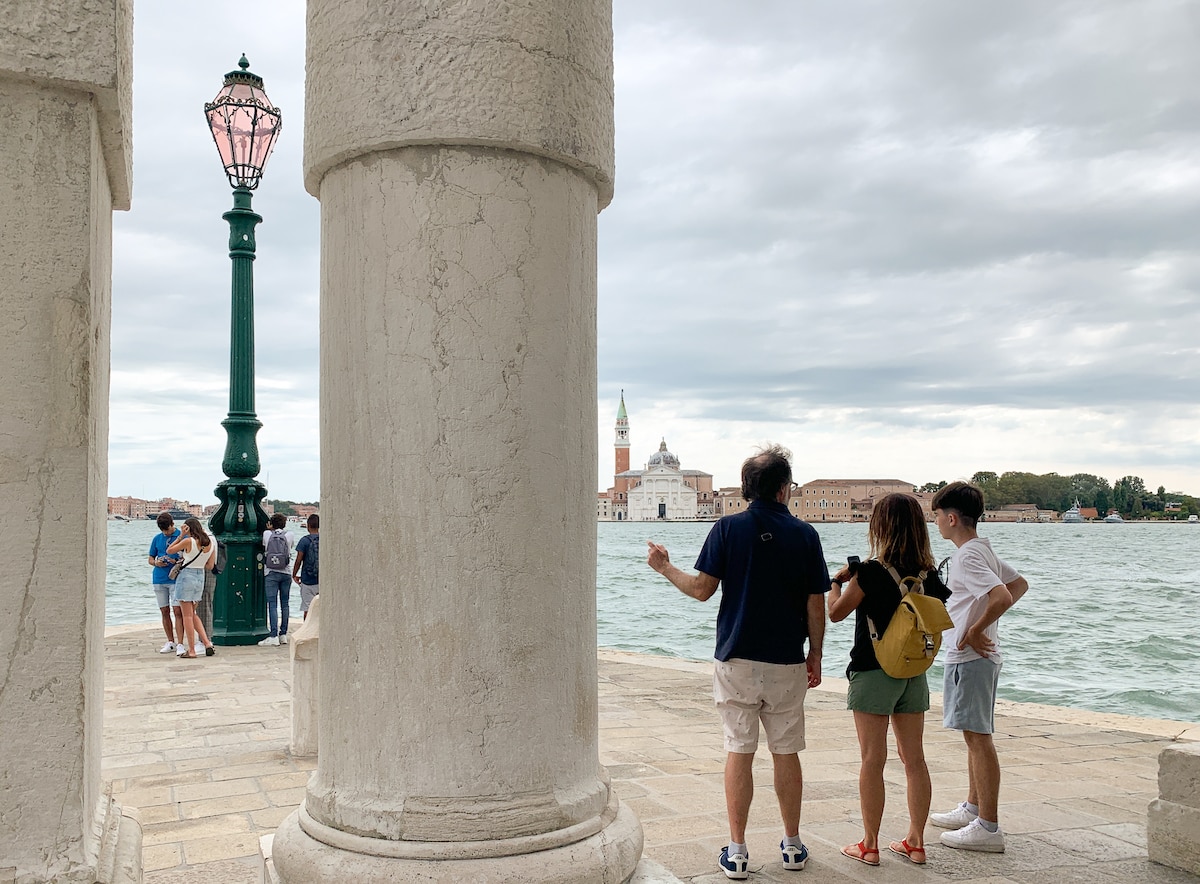
It's a beautiful and unusual spot in the city that also offers a great view of San Marco.
The Negatives:
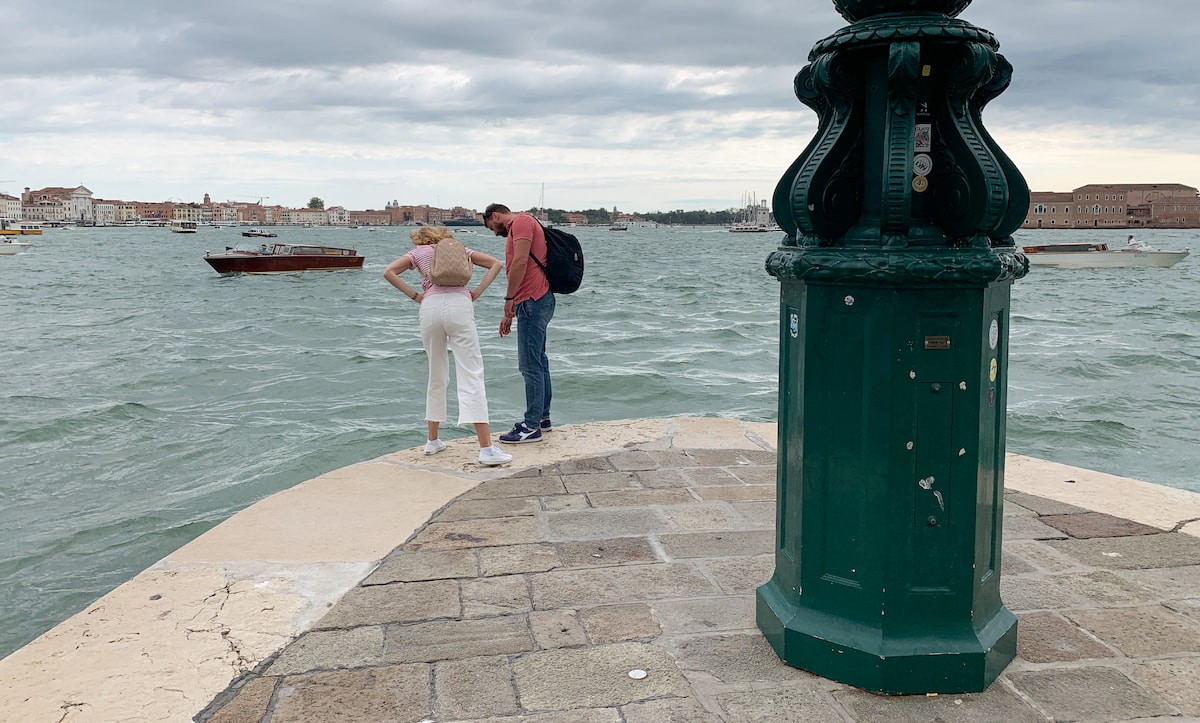
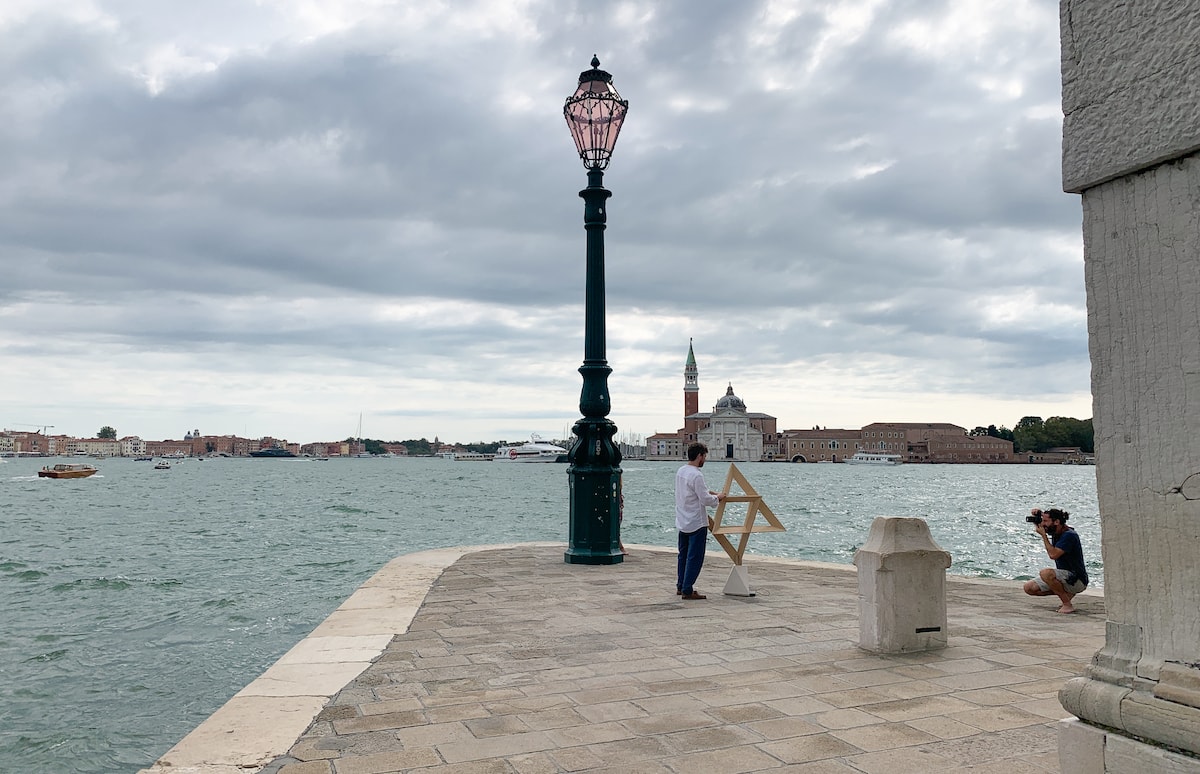
It’s a stone-built headland, and it’s all too easy to fall off since there’s no railing.
Tip:
While you're here, visit the museum and the Church of Santa Maria della Salute!
Last Modified: 23.04.2026 | Céline
Punta della Dogana
Tickets


The details
at a glance


Punta della Dogana
Photo Gallery
What is the
Punta della Dogana?
Geography
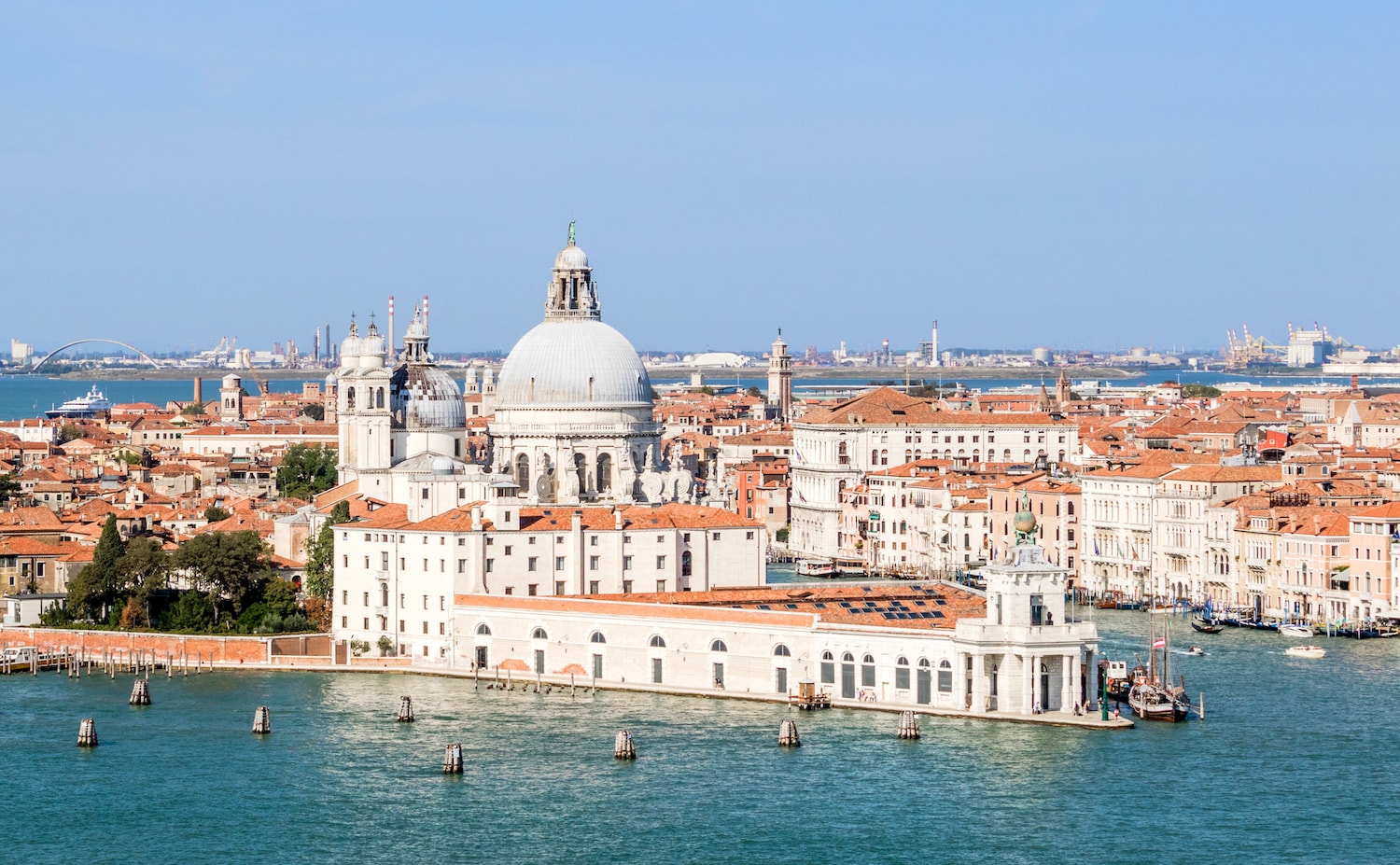
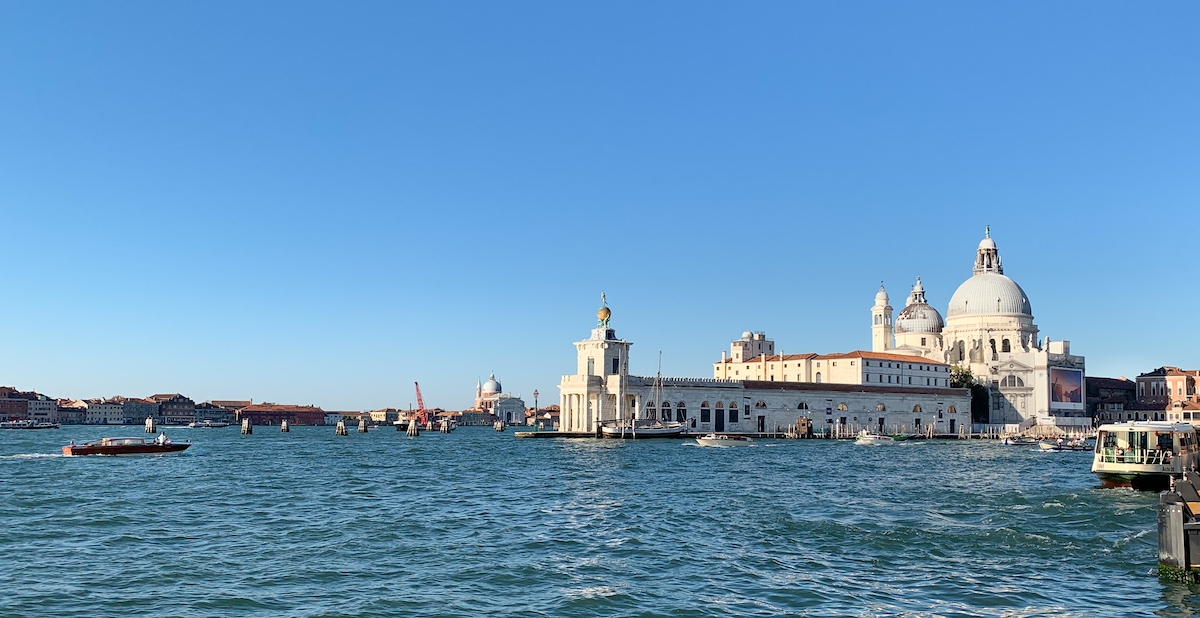
The Punta della Dogana is the tip of one of Venice’s many islands. Its sharply pointed shape makes it quite distinctive. The island belongs to the Dorsoduro district and is flanked on one side by the Grand Canal and on the other by the Giudecca Canal—the main waterway used by most larger ferries and ships. On this small island, you’ll also find the Pinault Collection museum and the church of Santa Maria della Salute.
The Building
The Pinault Collection museum occupies a historic building that perfectly follows the shape of the island’s tip—leaving only the very point open, where today visitors can walk, sit, or… fall into the water, since there is no railing! Keep a close eye on children here.
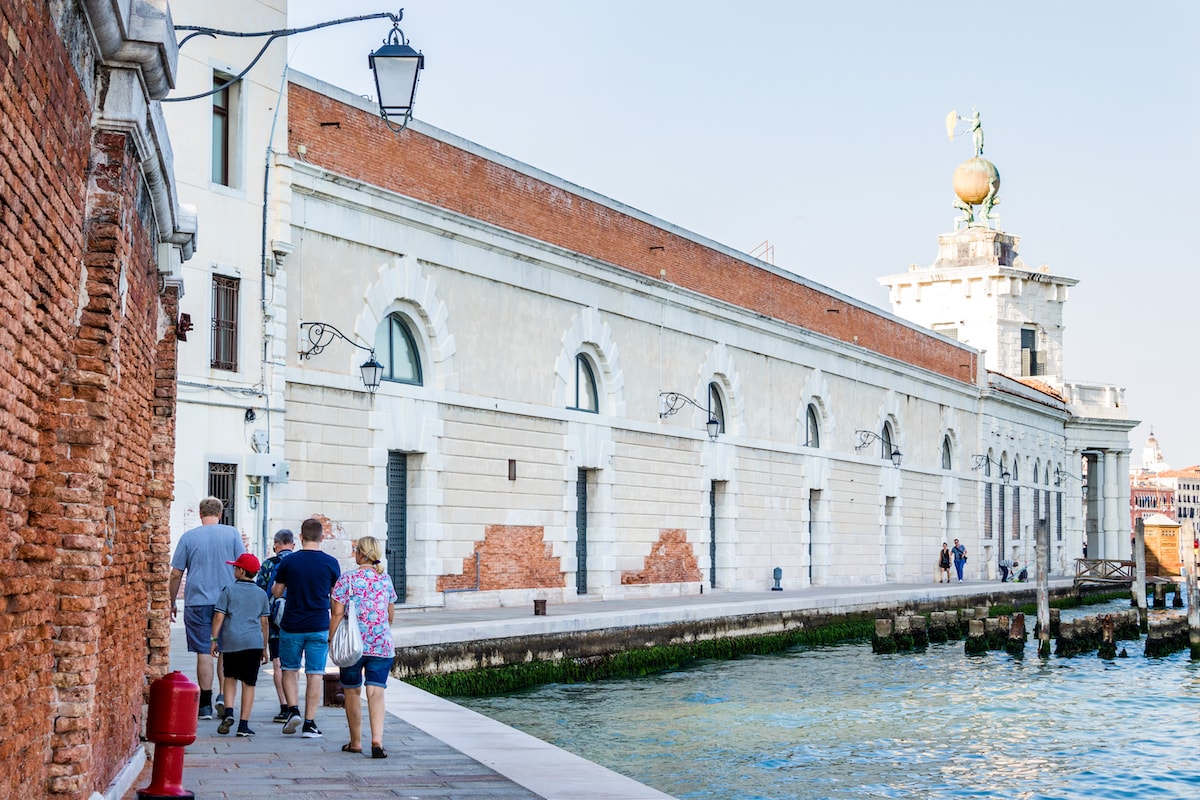
The Punta della Dogana building was once Venice’s customs house, known as the Dogana da Mar. From the early 15th century, this part of the island was used for docking and customs inspections. Between 1678 and 1682, Giuseppe Benoni constructed the customs building, which served as both a warehouse and offices for customs officials. The tip and sides of the building were used as docking points. Over the centuries, it underwent various renovations and modifications.
What has remained are the statues atop the tower—the Trabaccolo Il Nuovo Trionfo—at the very tip of the Dogana. They represent two versions of Atlas, carrying a golden globe. On top of the globe stands another figure, said to be Fortuna, or “a figure of luck.” This figure, draped in a golden cloth, even turns in the wind—both to indicate the wind’s direction and to symbolise the changing nature of fortune. It was created in the 17th century by Bernardo Falconi.
The most recent major transformation of the building was carried out by the Japanese architect Tadao Ando, who converted it into a museum from 2007 over the course of two years. Ando also renovated the Palazzo Grassi in Venice, which is part of the Pinault Collection, as well as the Bourse de Commerce in Paris, which also houses François Pinault’s art collection.
For more on the renovations and the Pinault Collection, see the respective detailed reports.
Text and image rights: © Céline Mülich, 2023 – 2026
Other
sights at Punta Dogana

Pinault Collection
find out more
Santa Maria della Salute
find out more
Peggy Guggenheim Collection
find out more