
Wereldmuseum Amsterdam
Wereldmuseum Amsterdam
Colonial History & Naval Power
Wereldmuseum Amsterdam
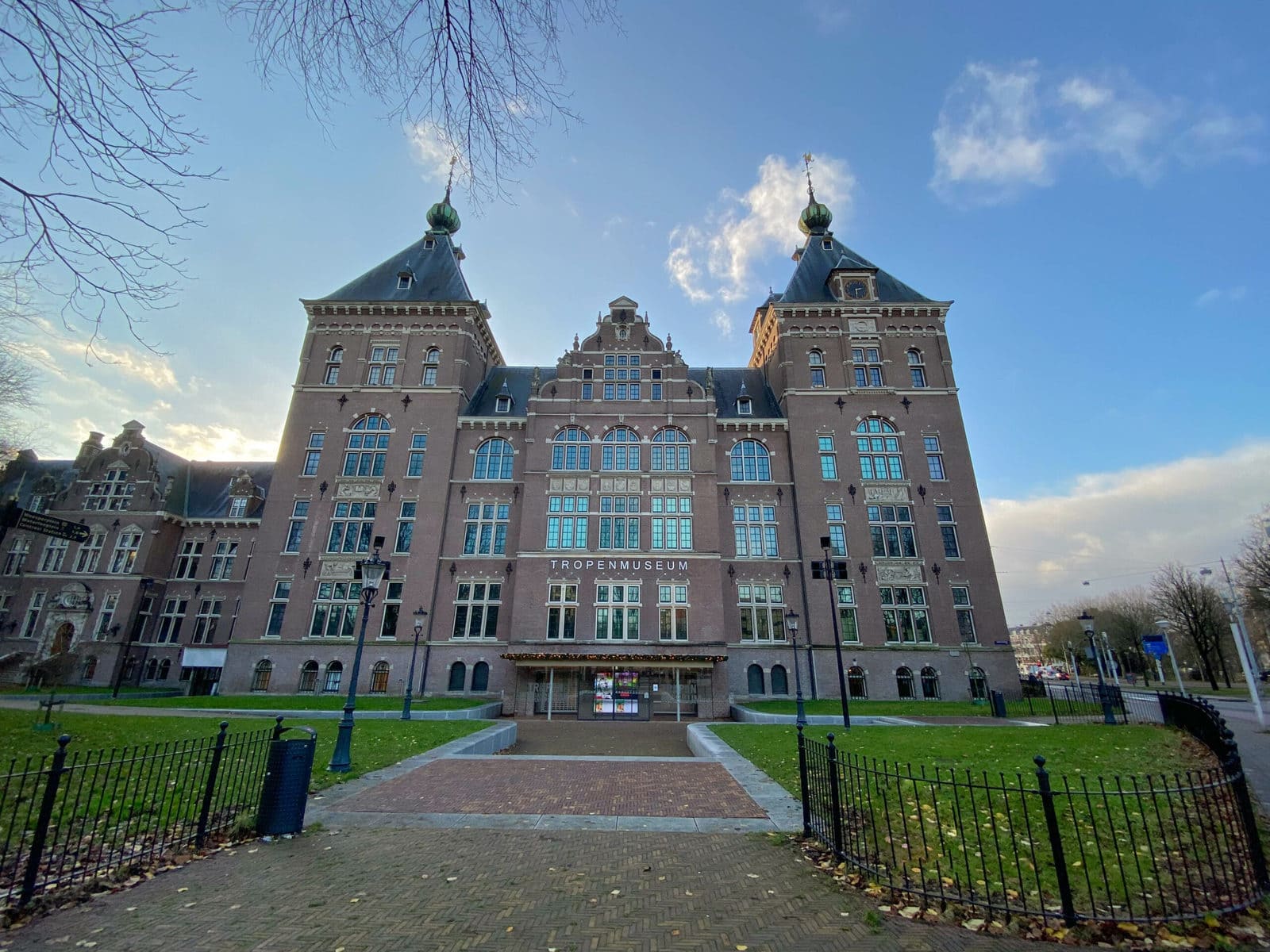
The Netherlands was a maritime power with many overseas colonies—and that is exactly what this museum focuses on. The former named “Tropenmuseum” explores foreign countries, different traditions, and engages with the history of colonialism.
2023, the Tropenmuseum Amsterdam, the Volkenkunde Museum in Leiden, and the Wereldmuseum in Rotterdam merged and decided to adopt the shared name: Wereldmuseum.

My Rating:
The Positives:
It's a world cultures museum with plenty to discover for both children and adults. Interactive exhibits are included. here's a lot, a whole lot, to see!
The Negatives:
It tries to "come to terms" with colonial history. It has a "look what we had/have" feel to it.
Tip:
If it happens to rain in Amsterdam :), this could be a good place to go...
Last Modified: 17.04.2026 | Céline & Boris
Wereldmuseum Amsterdam
Ticket
The details
at a glance


Wereldmuseum Amsterdam
Photo Gallery
What is there
to see?
“Open your window on the world” is, in a sense, the museum’s slogan. The Wereldmuseum is an ethnographic museum, essentially a museum of world cultures. It is part of a wider network of museums and boasts an impressive collection of around 450,000 objects, 260,000 photographs, and 350,000 video recordings.
The museum claims that each of these objects tells a human story—and that’s easy to believe. Every item relates to themes such as mourning, celebration, decoration, love, or conflict. After all, the objects on display were once part of everyday life in different eras and cultures around the world.
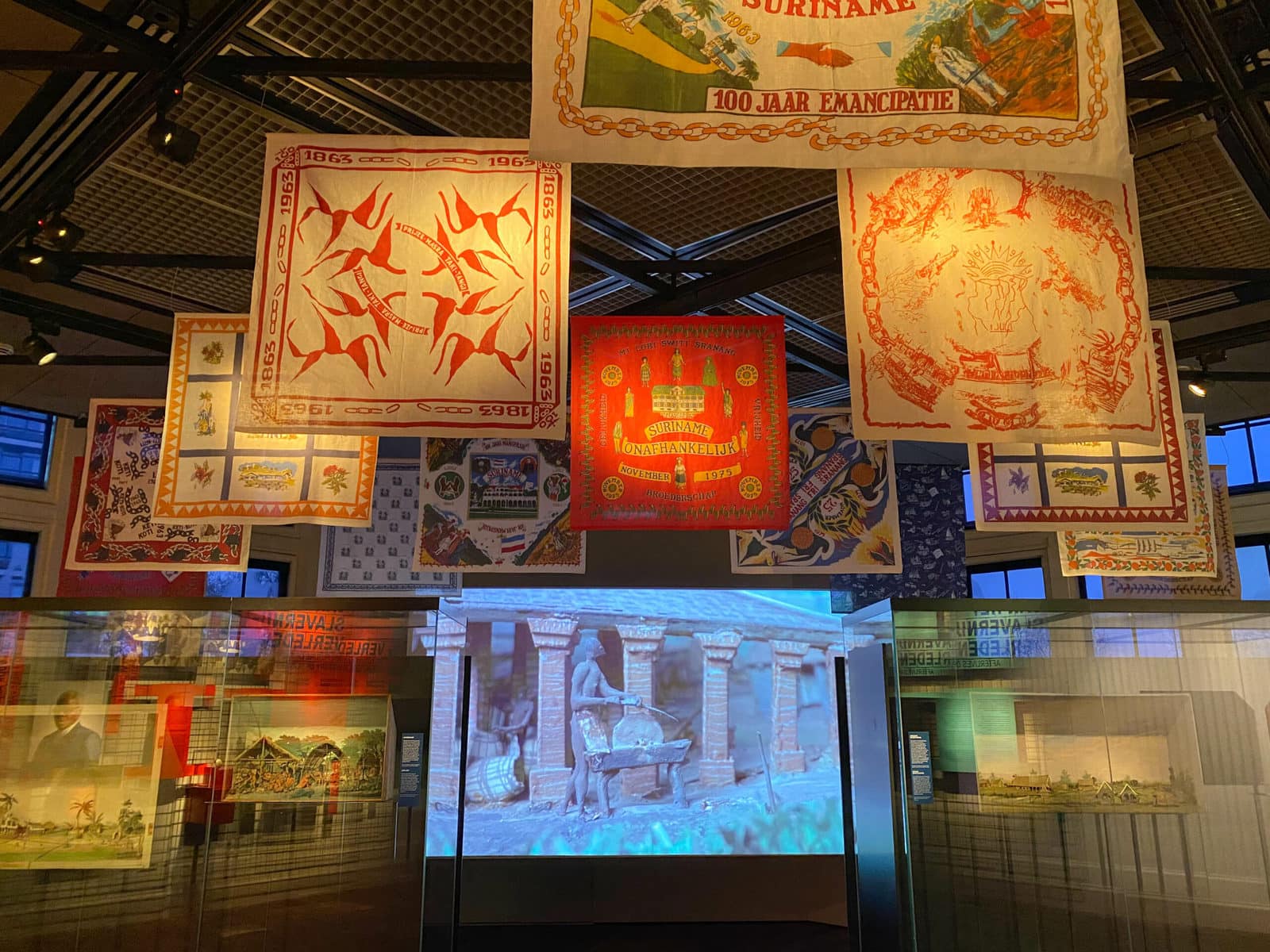
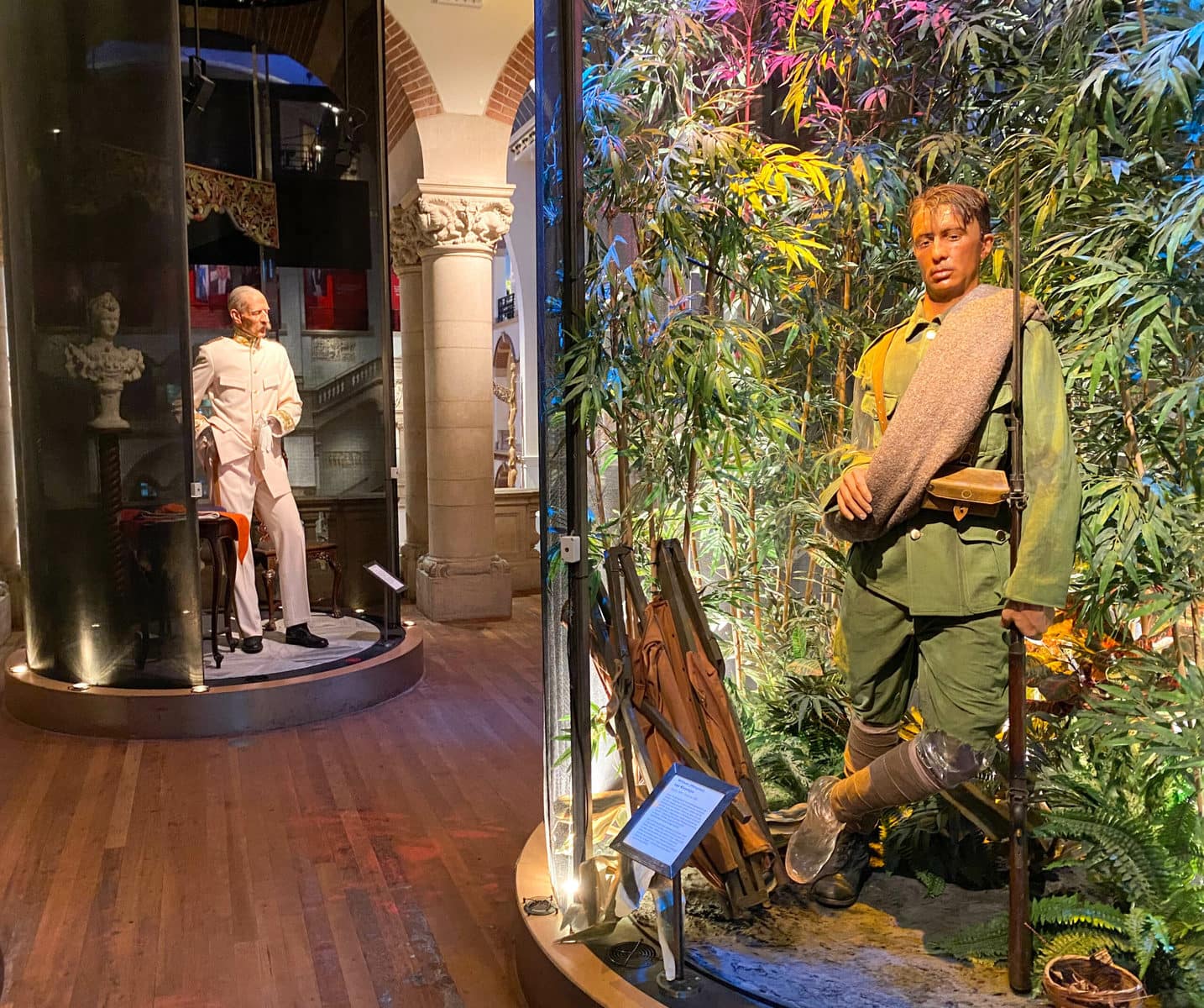
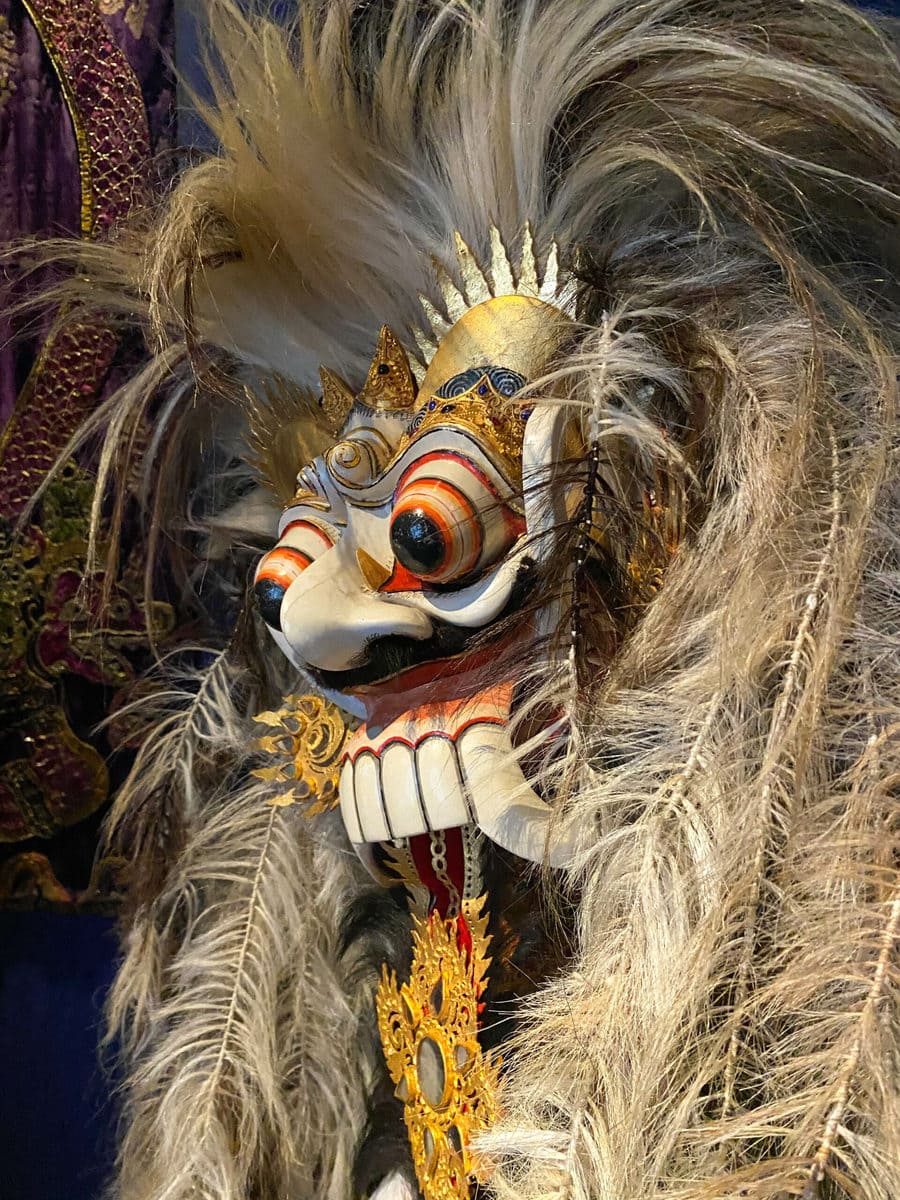
Here, you’ll find cups and plates, objects believed to have healing powers, masks and headdresses for festivals and rituals, clothing, figures and sculptures that were once worshipped, as well as posters, photographs, and video material with political themes. There is also a section dedicated to examining the Netherlands’ colonial history. There is certainly plenty to see!
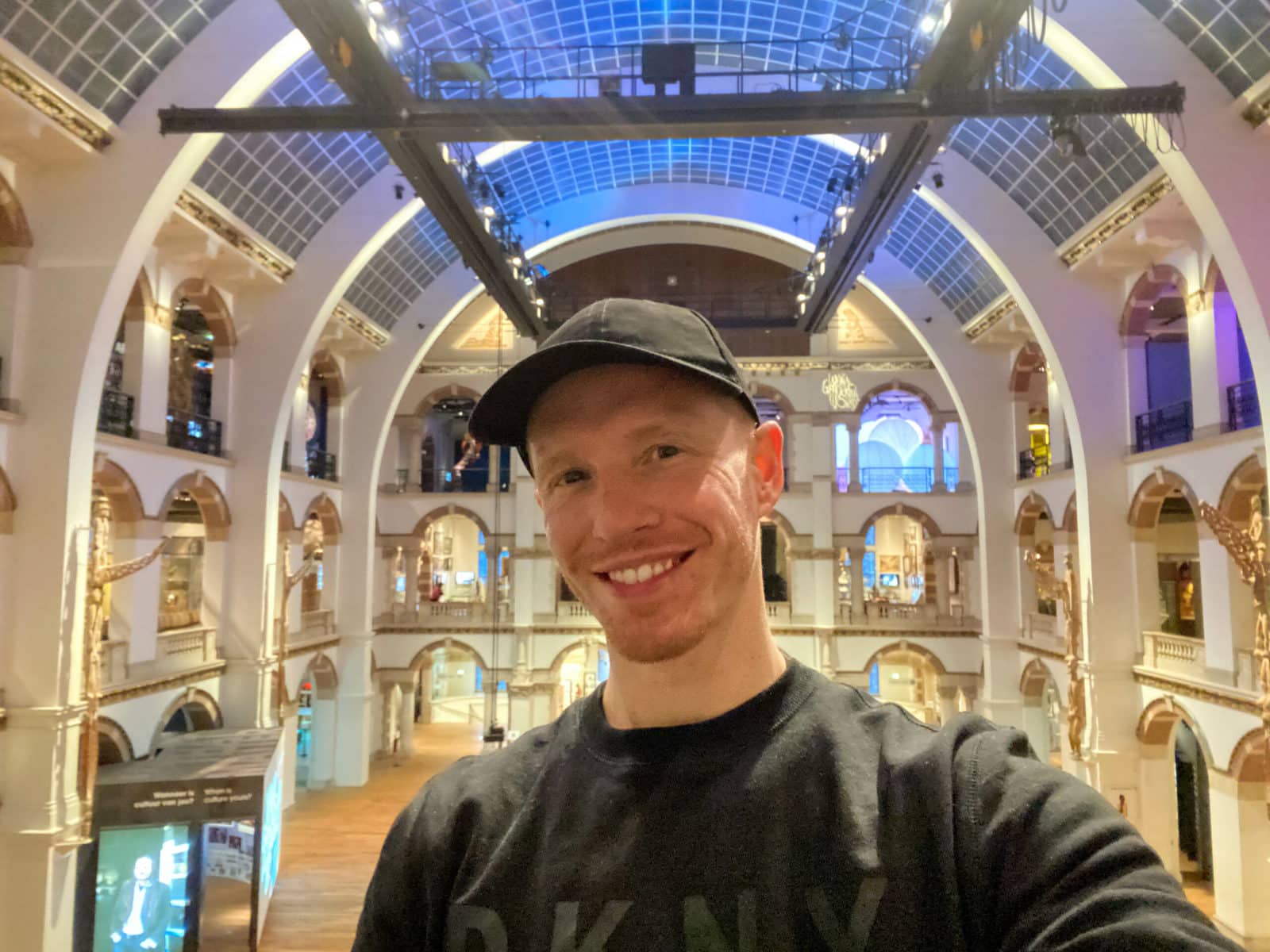
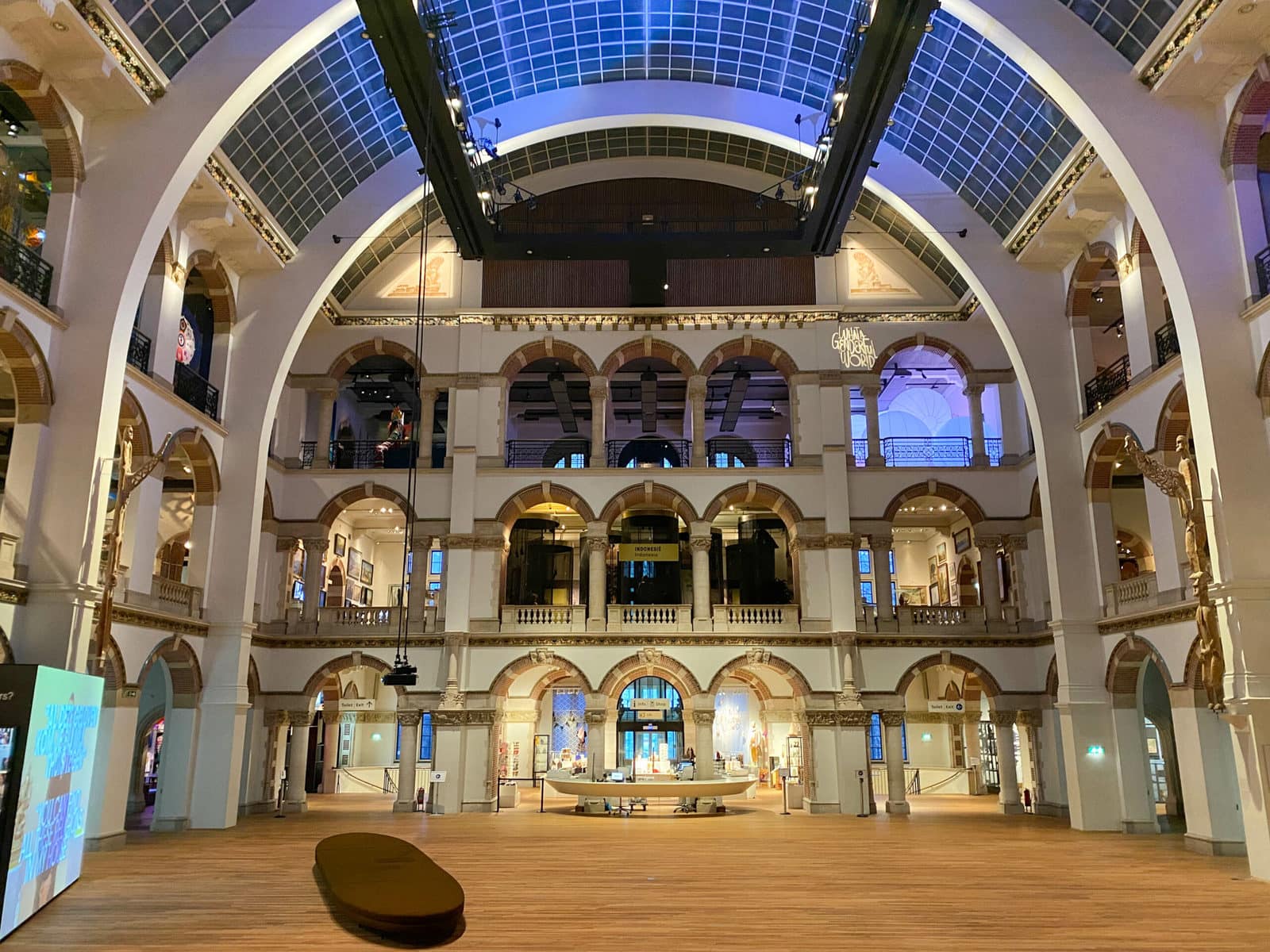
The building itself—especially its grand hall—is also impressive, and the rotating exhibitions continually explore new themes. In addition, the museum is highly interactive for children. There is even a “party workshop”, where visitors can discover items from around the world used in all kinds of celebrations.
Wereldmuseum
A bit of history
1864 seems to have been an important year for Amsterdam: alongside the creation of Vondelpark, the foundations for what would become the Tropenmuseum were also laid.
At that time, however, the museum’s beginnings were far more modest—starting in the attic of Willem van Eeden’s private home, where the Koloniaal Museum in Haarlem was founded. In 1871, it moved into a large villa in Haarlem. The aim was to give the Dutch public access to information about their former colonies: the Dutch East Indies (now Indonesia), Dutch Guiana (now Suriname), and the Dutch Antilles.
In 1910, the Koloniaal Instituut and the Koloniaal Museum merged, leading to the creation of the Royal Tropical Institute in Amsterdam.
Around the same time, Artis Zoo decided to relocate its ethnographic collection and donate it to the newly founded institute. This collection included significant objects from Indonesia, Africa, and New Guinea. As early as 1883, the zoo museum had also acquired a large portion of the collection displayed at the major Colonial Exhibition in Amsterdam.
It wasn’t until 1926 that the museum moved into its current building. After 11 years of construction, it remains one of the most beautiful buildings in eastern Amsterdam.
In the 1970s, the museum was renamed the “Tropenmuseum” and was no longer under the Ministry of Colonies, but instead the Ministry of Foreign Affairs. Colonial policy had fallen out of favour, and the museum broadened its focus to include all tropical regions. Exhibitions on Indonesia, in particular, were sensitive, as Indonesia had declared independence on 17 August 1945, which the Netherlands initially refused to recognise. Papua even remained under Dutch control until 1962. The museum began focusing more on issues facing developing countries, and recreated village scenes from tropical regions—an approach considered highly innovative at the time. In 1975, the “Tropenmuseum Junior” was opened as a dedicated children’s museum.
Since the 1990s, the museum has been part of the “National Museum of World Cultures” and falls under the Ministry of Education, Culture and Science.
In October 2023, three museums merged: the Tropenmuseum Amsterdam, the Volkenkunde Museum in Leiden, and the Wereldmuseum in Rotterdam. They chose the shared name “Wereldmuseum”—which is why the Tropenmuseum in Amsterdam is now known as the Wereldmuseum.
Official Wereldmuseum website (EN): https://amsterdam.wereldmuseum.nl/en
Text and image credits: © Céline Mülich, 2021–2026


