
San Michele Venice
San Michele Venice
The Cemetery Island
San Michele in Venice
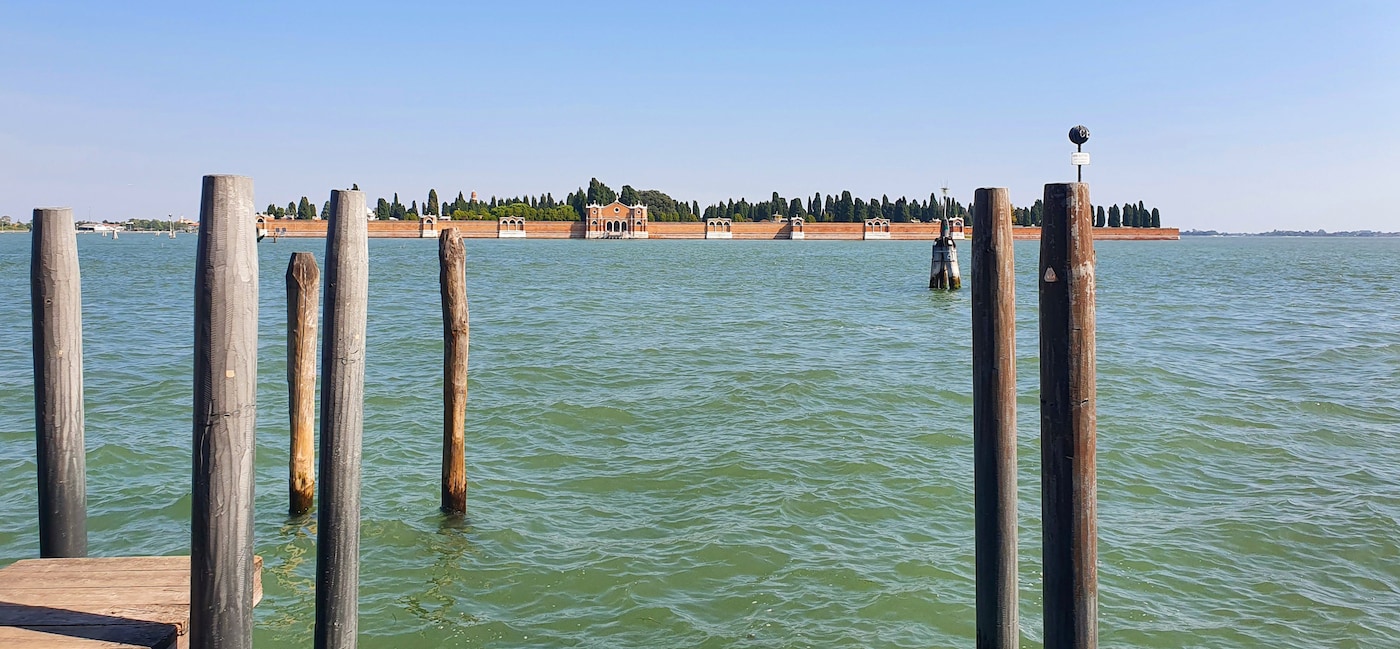
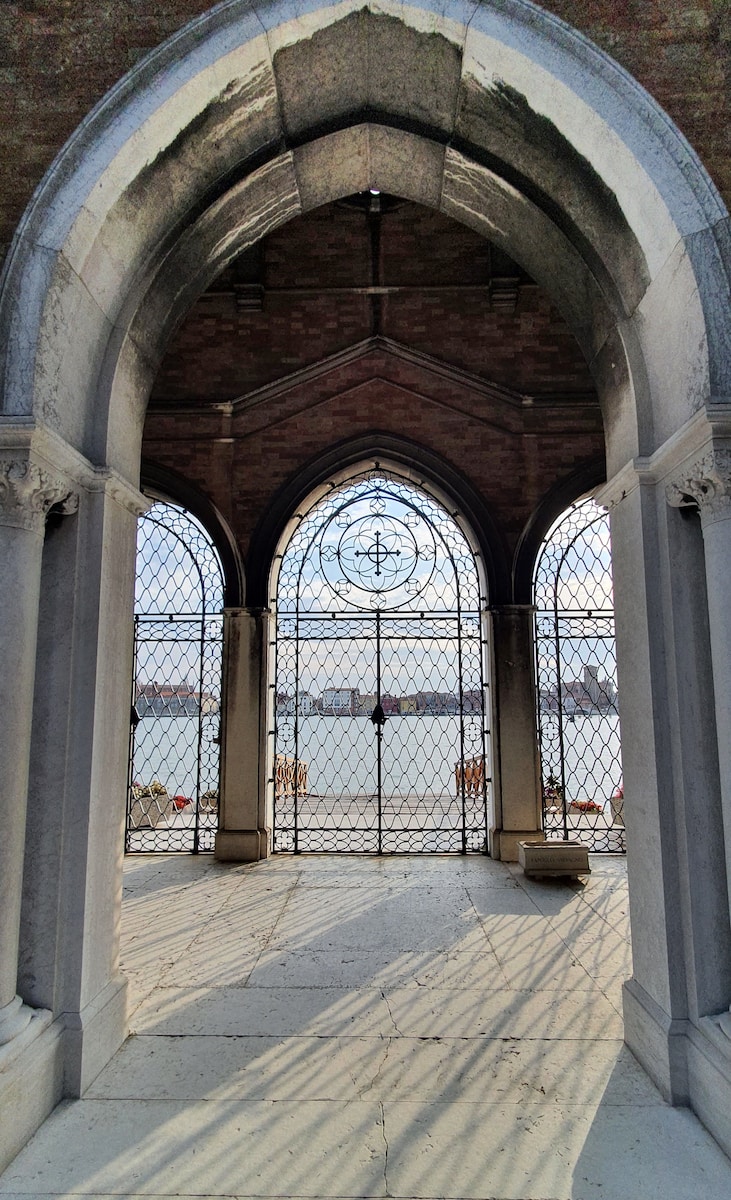
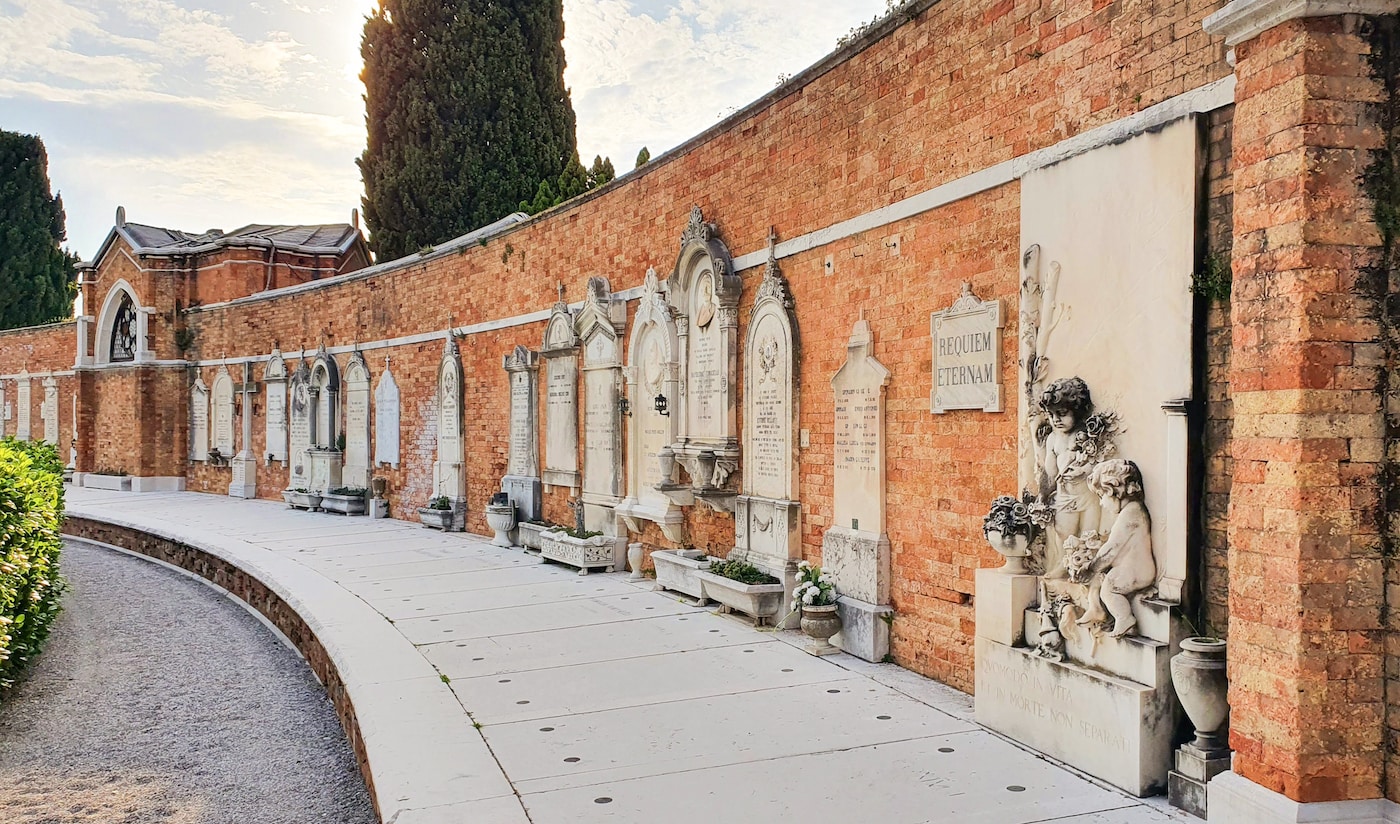
San Michele is an island between Venice and Murano. This island is home to only one thing: the cemetery of the same name, Cimitero San Michele. Several famous people are buried here, but their names didn’t ring a bell. Perhaps you know someone.

My Rating:
The Positives:
A somewhat different experience. If you're a fan of one of the celebrities, it's certainly interesting.
The Negatives:
It is, after all, a cemetery; visiting can be a bit strange and voyeuristic...
Last Modified: 23.04.2026 | Céline
The details
at a glance


San Michele Venice
Photo Gallery
What is there
to see?
The cemetery island has an almost rectangular shape – very much unnatural in appearance. The island measures 490 metres long and 390 metres wide and has gradually taken its present form over the centuries. Around ten people live here, responsible for maintaining the cemetery. Slightly eerie, perhaps…
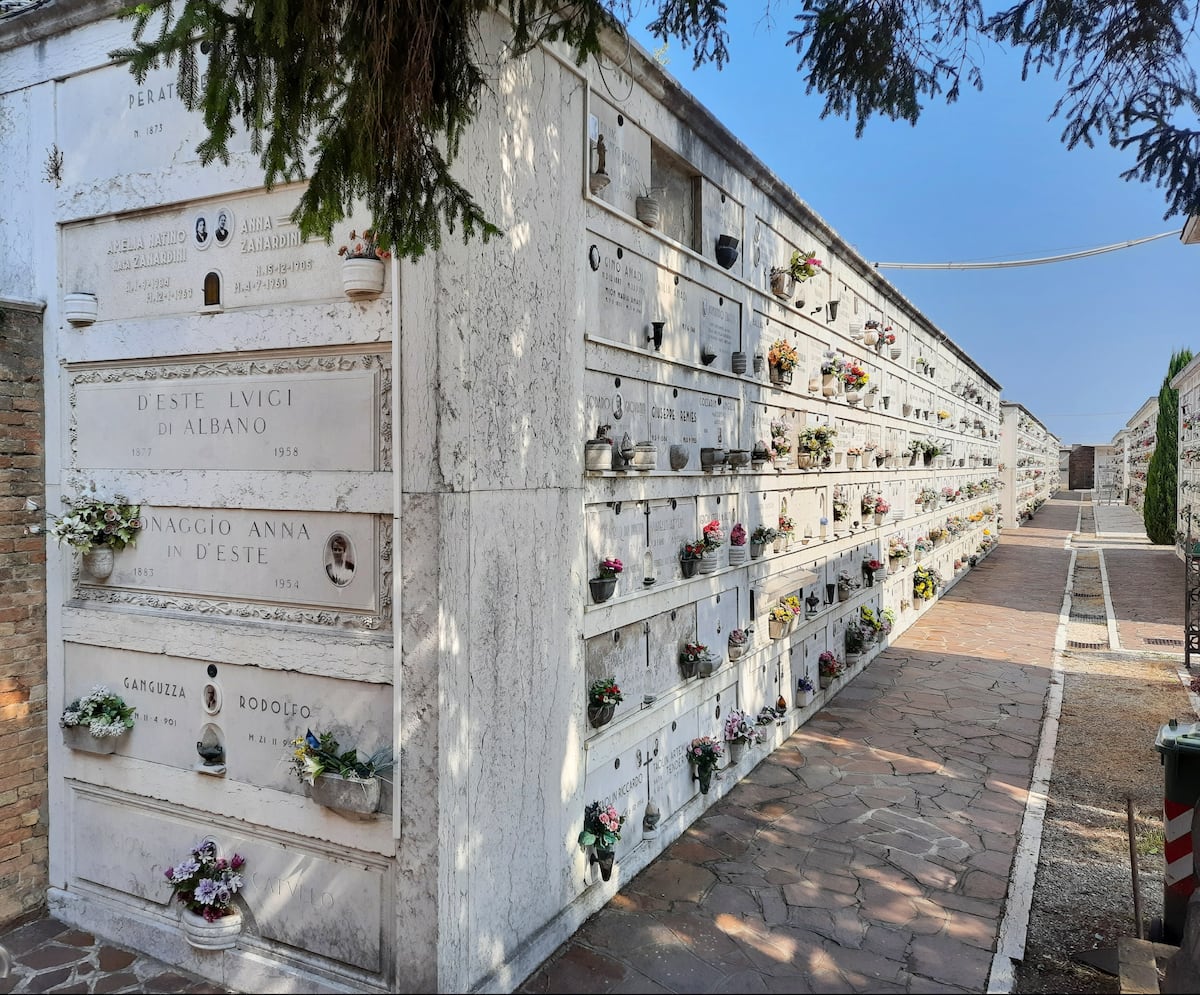
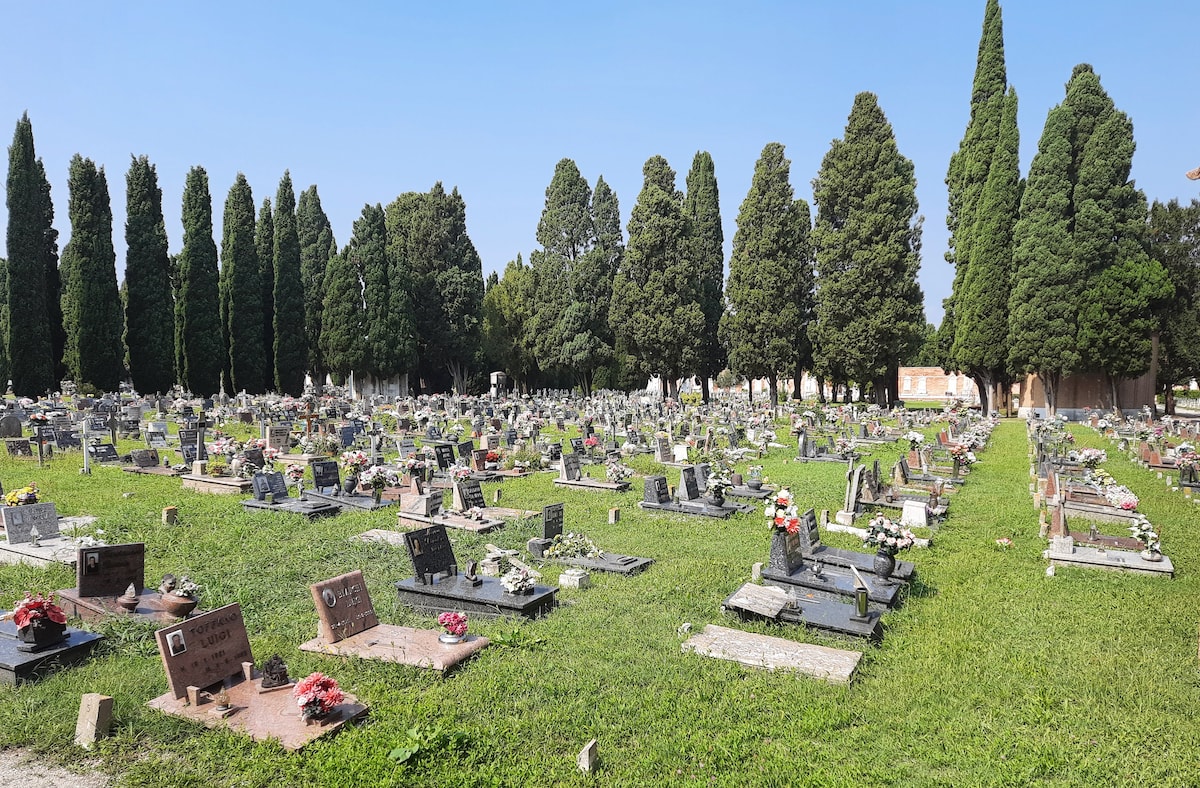
Space for burials is limited, so the deceased are initially buried in the usual way, but after a few years, the remains are relocated and stacked in communal tombs.
San Michele is the final resting place of many historical and famous figures, including Italian statesmen, writers, and footballers. As I mentioned before, none of the names were familiar to me – see if you recognise anyone when you visit.
Cimitero S. Michele
A bit of History
The island of San Michele has been around for centuries. Since the 13th century, it was home to a monastery, of which the cloister, a small Renaissance church (San Michele in Isola), and the Cappella Emiliani still remain. The first cemetery, however, was located on the neighbouring island of San Cristoforo della Pace.
San Cristoforo was officially converted into a cemetery in 1719, following a decree from the health authority, Magistrato della Sanità. That year, the island was also enclosed by a wall.
After Napoleon’s edict in 1804, burials near churches were prohibited. Consequently, San Cristoforo became increasingly important. In 1839, the two islands – San Michele and San Cristoforo – were connected. This major development required a complete redesign of both islands to accommodate the new cemetery, with San Michele emerging as Venice’s principal burial site.
Over the following decades, several architectural competitions were held to unify the complex aesthetically – in the 1830s and again in the 1850s. By 1876, this unification was completed.
In 1998, Venice launched another competition to expand the cemetery. The winner was David Chipperfield, renowned for projects such as the Museum Folkwang in Essen, the reconstruction of Berlin’s Neues Museum, and the extension of the Kunsthaus Zürich. His plan organised the burial, cremation, and ossuary structures into a coherent layout of courtyards inspired by the 15th-century cloister. The design also impressed with its harmonious choice of materials: walls clad in basalt and Pietra d’Istria, with internal colonnades of dark grey concrete.
The project is being completed in phases. The Courtyard of the Four Evangelists was the first to open to the public in 2007 and still serves as the archetype for the entire arrangement. The rest of the work is ongoing.
Liturgical and Practical Notes
- Bodies and coffins must arrive on the island by boat; in the past, elaborately decorated gondolas were used.
- The cemetery accommodates burials and ceremonies for other faiths as well.
- Until the mid-20th century, a 400-metre-long pontoon bridge was erected during holidays, allowing visitors to walk across the water to the island.
Official website of the cemetery (IT): www.comune.venezia.it/it/content/cimitero-smichele
Text and image rights: © Céline Mülich, 2023–2026
Other
Religious Buildings

St. Mark's Basilica
find out more
Santa Maria della Salute
find out more
All churches of Venice
find out more